






Choosing the right instrumental Speaker requires more than simply looking at the speaker size or power rating. The speaker should match the musical instrument, amplifier, frequency requirements, installation environment, and expected sound output.
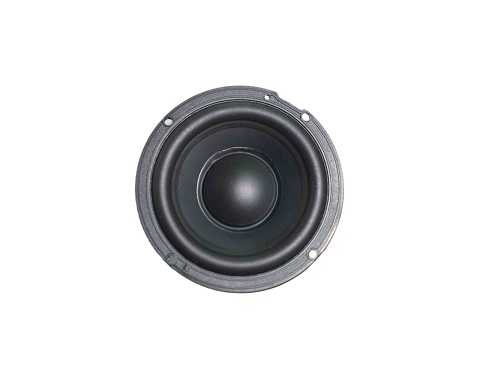
1. Identify the Musical Instrument
Start by identifying which instrument the Speaker will be used with. Different instruments have different tonal characteristics and frequency ranges.
A speaker suitable for one instrument may not provide the desired response for another. Therefore, the application should be determined before selecting the speaker.
2. Check the Power Rating
Power handling is an important specification when choosing an instrumental speaker. Check the speaker's rated power and ensure that it is compatible with the amplifier output.
Using a speaker with an unsuitable power rating may affect sound performance or reduce component reliability during operation.
3. Check Speaker Impedance
Speaker impedance should be compatible with the amplifier or audio system. Common impedance values include 4 ohms, 8 ohms, and other configurations depending on the speaker and application.
Always check the amplifier specifications before selecting the speaker to ensure proper system compatibility.
4. Consider Frequency Response
Frequency response determines the range of frequencies that the speaker can reproduce. When choosing an instrumental speaker, consider the frequency characteristics of the instrument and the desired sound profile.
A suitable frequency response can help reproduce the instrument with greater clarity and maintain its intended tonal characteristics.
5. Consider Sensitivity
Sensitivity indicates how efficiently the speaker converts amplifier power into acoustic output. A speaker with suitable sensitivity can help achieve the required sound pressure level without unnecessarily increasing amplifier power.
6. Choose the Right Speaker Size
Speaker diameter can affect frequency response, sound output, enclosure design, and installation requirements. The appropriate size depends on the application and available installation space.
For compact equipment, a smaller speaker may be preferred, while larger systems may require larger drivers or multiple speaker units.
7. Consider the Operating Environment
Consider where the speaker will be installed or used. Stage equipment, portable amplifiers, studio systems, and fixed installations may have different requirements for durability, enclosure construction, weight, and protection.
8. Check Amplifier Compatibility
The speaker and amplifier should work together as a complete audio system. Before purchasing, check power rating, impedance, frequency response, and other electrical specifications.
Matching these specifications can help the system deliver stable and consistent audio performance.
9. Consider Custom Speaker Requirements
Standard speakers may not always meet the requirements of specialized musical equipment. Custom speaker manufacturing can provide solutions for applications requiring specific dimensions, impedance, power, frequency response, or acoustic characteristics.
When requesting a custom instrumental speaker, provide the required power, impedance, frequency range, speaker dimensions, installation method, and application environment whenever possible.
What Should You Check Before Buying an Instrumental Speaker?
Musical instrument and application
Rated power and power handling
Speaker impedance
Frequency response
Sensitivity
Speaker size and installation dimensions
Amplifier compatibility
Operating environment
Custom requirements
FAQ
How do I choose an instrumental speaker?
Consider the instrument, power rating, impedance, frequency response, sensitivity, speaker size, amplifier compatibility, and operating environment.
What impedance should an instrumental speaker have?
The impedance should match the requirements of the amplifier or audio system. Common options include 4-ohm and 8-ohm speakers.
Does speaker size affect sound quality?
Speaker size can affect frequency response, acoustic output, enclosure requirements, and overall sound characteristics. The appropriate size depends on the application.
Can I get a custom instrumental speaker?
Yes. Custom speaker solutions can be developed according to requirements such as power, impedance, frequency response, dimensions, and installation conditions.