


News
CHECK IT NOW


2026-07-14 16:23:56
When building or upgrading an audio system,selecting the right Tweeter is just as important as choosing the woofer or midrange driver.Among the most popular options are the ribbon Tweeter and the dome tweeter.Both are designed to reproduce high-frequency sounds,but they differ significantly in construction,sound characteristics,efficiency,and applications.
So,which one is better?The answer depends on your listening preferences,budget,and intended use.This guide compares ribbon tweeters vs dome tweeters to help you make an informed decision.
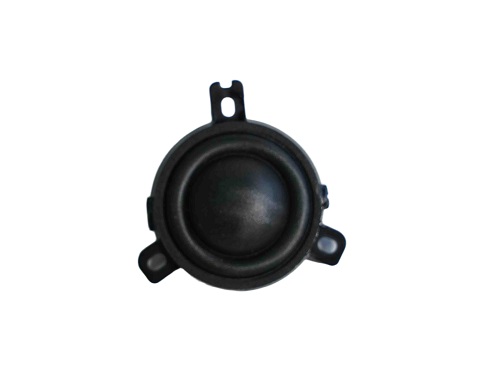
A ribbon tweeter uses an ultra-thin metallic ribbon suspended within a magnetic field.The ribbon itself acts as both the diaphragm and the voice coil,allowing it to move extremely quickly and accurately.
Because of its lightweight design,a ribbon tweeter can reproduce high-frequency sounds with exceptional speed and detail.It is often found in premium home audio systems,audiophile Speakers,and studio monitors where sound accuracy is a priority.
Excellent high-frequency extension
Exceptional clarity and detail
Fast transient response
Low distortion
Wide horizontal sound dispersion
Limitations
More expensive than dome tweeters
Typically lower power handling
More delicate and requires careful use
May require precise placement for optimal performance
A dome tweeter features a dome-shaped diaphragm made from materials such as silk,aluminum,titanium,or composite fabrics.A voice coil attached to the dome moves within a magnetic field to produce high-frequency sound.
Dome tweeters are the most common type of tweeter because they offer an excellent balance of performance,durability,and affordability.They are widely used in bookshelf speakers,floor-standing speakers,car audio systems,and commercial sound equipment.
Smooth and balanced sound
High durability
Better power handling
Cost-effective
Suitable for a wide range of applications
Limitations
Slightly less detailed than ribbon tweeters
Higher moving mass reduces transient speed
High-frequency extension may not be as wide
| Feature | Ribbon Tweeter | Dome Tweeter |
|---|---|---|
| Diaphragm | Thin metal ribbon | Dome-shaped diaphragm |
| Sound Quality | Highly detailed and transparent | Smooth and balanced |
| Frequency Response | Excellent high-frequency extension | Wide but slightly lower extension |
| Transient Response | Extremely fast | Fast but slower than ribbon |
| Distortion | Very low | Low |
| Durability | More delicate | More durable |
| Power Handling | Moderate | Higher |
| Price | Higher | More affordable |
| Common Applications | High-end audio, studio monitors | Home audio, car audio, commercial speakers |
The biggest difference between these tweeters lies in how they reproduce high-frequency sounds.
Ribbon tweeters are known for:
Crystal-clear highs
Excellent instrument separation
Natural vocal reproduction
Precise imaging
Spacious soundstage
These qualities make them popular among audiophiles and recording professionals.
Dome tweeters offer:
Warm and natural sound
Balanced frequency response
Comfortable long-term listening
Good versatility
Silk dome tweeters often produce a softer sound,while metal dome tweeters provide brighter and more dynamic highs.
The better choice depends on your needs.
Choose a ribbon tweeter if you want:
Maximum sound detail
High-resolution music playback
Premium home audio
Professional studio monitoring
Excellent stereo imaging
Choose a dome tweeter if you need:
Reliable everyday performance
Higher durability
Better value for money
Home theater systems
Car audio applications
Many modern speaker manufacturers also combine different driver technologies to achieve the best balance between detail and durability.
Ribbon tweeters are commonly used in:
High-end Hi-Fi Speakers
Audiophile sound systems
Studio monitors
Luxury home audio
Professional reference speakers
Dome tweeters are widely used in:
Bookshelf speakers
Floor-standing speakers
Home theater systems
Car audio
Portable speakers
Commercial sound systems
A ribbon tweeter uses an ultra-thin metal ribbon to reproduce high frequencies with exceptional accuracy,while a dome tweeter uses a dome-shaped diaphragm that offers balanced sound,greater durability,and better power handling.
Neither is universally better.Ribbon tweeters excel in detail and clarity,making them ideal for high-end listening,while dome tweeters provide a balanced combination of performance,durability,and affordability for most applications.
Dome tweeters are generally more durable because their diaphragm design is more resistant to physical damage and can handle higher power levels than ribbon tweeters.
Yes,ribbon tweeters can deliver outstanding dialogue clarity and detailed sound effects.However,many home theater systems use dome tweeters because they are more durable and cost-effective.
Consider your listening preferences,budget,amplifier power,and application.If you prioritize high-resolution sound and detailed imaging,a ribbon tweeter is an excellent choice.For versatile everyday listening and long-term reliability,a dome tweeter is often the better option.
Copyright © 2026 Jiangxi ROXOUND Acoustic Technology Co. All rights reserved.


Privacy Policy Cookie Policy Terms and Conditions