


News
CHECK IT NOW


2026-07-21 14:13:39
Ribbon Tweeters are widely recognized for their exceptional high-frequency performance,delivering outstanding clarity,fast transient response,and detailed sound reproduction.Compared with traditional dome Tweeters,a ribbon tweeter offers a more natural listening experience,making it a preferred choice for Hi-Fi Speakers,studio monitors,home theater systems,and professional audio equipment.
However,like any precision audio component,ribbon tweeters may encounter performance issues over time due to improper installation,excessive power,environmental factors,or normal wear.Understanding the most common ribbon tweeter problems and their solutions can help users maintain optimal sound quality and extend the lifespan of their audio systems.
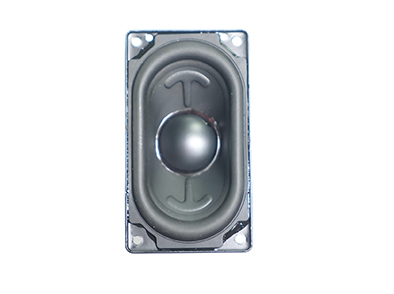
Unlike conventional tweeters,ribbon tweeters use an ultra-thin aluminum ribbon diaphragm suspended within a magnetic field.This lightweight design enables incredibly accurate high-frequency reproduction but also makes the driver more sensitive to incorrect operation.
Proper installation,amplifier matching,and regular maintenance are essential for ensuring stable performance.Whether you're an audio enthusiast or sourcing products from a professional ribbon tweeter manufacturer,understanding these maintenance basics can prevent unnecessary repairs and improve long-term reliability.
One of the most common issues is a ribbon tweeter that suddenly stops producing sound.
Loose or disconnected speaker wires
Damaged crossover network
Blown ribbon diaphragm
Faulty amplifier channel
Incorrect wiring polarity
Start by checking all speaker connections to ensure the cables are securely attached.Next,inspect the crossover components for signs of damage.Swapping the amplifier channel can help determine whether the problem originates from the amplifier or the tweeter itself.
If the ribbon diaphragm has been damaged due to excessive power,replacement is usually the most effective solution.Purchasing a high-quality replacement from a trusted ribbon tweeter supplier ensures better compatibility and sound performance.
If your music sounds harsh,fuzzy,or lacks detail,distortion may be affecting the ribbon tweeter.
Amplifier clipping
Excessive input power
Damaged ribbon diaphragm
Incorrect crossover frequency
Low-quality audio source
Avoid driving the amplifier beyond its rated output,as clipping is one of the leading causes of ribbon tweeter damage.Ensure the crossover frequency matches the manufacturer's specifications and replace damaged diaphragms when necessary.
Using high-quality audio files and well-designed speaker systems also contributes to cleaner,more accurate high-frequency reproduction.
Sometimes the ribbon tweeter works but produces noticeably lower volume than expected.
Sensitivity mismatch
Incorrect crossover settings
Reversed polarity
Aging components
Insufficient amplifier power
Verify that the crossover is configured correctly and that the amplifier provides adequate power for the speaker system.Matching the sensitivity of all drivers helps create a balanced soundstage.
If the speaker has been in use for many years,replacing aging crossover capacitors may significantly improve performance.
Buzzing noises often indicate a mechanical issue rather than an electrical failure.
Loose mounting screws
Cabinet vibration
Foreign particles inside the tweeter
Damaged diaphragm
Loose internal components
Inspect the speaker enclosure and tighten all mounting hardware.Remove any dust or debris carefully using compressed air.If the diaphragm has been physically damaged,replacing the entire tweeter or diaphragm assembly is recommended.
High-quality products from an experienced OEM ribbon tweeter manufacturer are typically designed with stronger structural stability and better vibration control.
A burned ribbon tweeter is usually the result of excessive electrical stress.
Continuous high-volume listening
Amplifier clipping
Incorrect crossover design
Power overload
Choose an amplifier that matches the speaker's power rating,avoid prolonged operation at maximum volume,and always use a properly designed crossover network.Many professional speaker designers also include protective circuits to reduce the risk of overload.
Investing in a premium custom ribbon tweeter with optimized thermal design can further improve reliability under demanding operating conditions.
Routine maintenance helps preserve sound quality and extend the service life of ribbon tweeters.
Some simple maintenance practices include:
Keep the speaker away from excessive dust and moisture.
Avoid touching the delicate ribbon diaphragm.
Protect the speaker during transportation.
Regularly inspect wiring connections.
Use clean,stable amplifier power.
Store speakers in a dry environment when not in use.
These small precautions can greatly reduce the likelihood of unexpected failures.
Thanks to their excellent high-frequency accuracy,ribbon tweeters are widely used in many audio applications,including:
Hi-Fi bookshelf speakers
Floor-standing speakers
Home theater systems
Studio monitors
Professional audio equipment
High-end automotive audio
Custom loudspeaker projects
Their ability to reproduce detailed vocals and delicate musical instruments makes them a favorite among audiophiles and professional sound engineers.
Not every issue requires replacing the entire driver.Loose wiring,crossover faults,or installation problems can often be repaired easily.
However,replacement is usually recommended when:
The ribbon diaphragm is torn or burned.
Severe distortion remains after troubleshooting.
Output levels cannot be restored.
Mechanical damage affects sound quality.
Working with a reliable speaker tweeter manufacturer ensures access to compatible replacement parts and long-term technical support.
Ribbon tweeters are capable of delivering remarkable clarity and detail,but their precision design requires proper installation and maintenance.Understanding the most common ribbon tweeter problems—including no sound,distortion,low output,buzzing,and power damage—allows users to identify issues quickly and take effective corrective action.
Whether you are upgrading a Hi-Fi system,designing professional speakers,or sourcing components from a trusted ribbon tweeter factory,choosing quality products and following good maintenance practices will ensure years of reliable,high-performance audio.
The most common causes include loose wiring,a damaged crossover,amplifier failure,or a blown ribbon diaphragm.Checking each component individually can help identify the source of the problem.
Minor issues such as wiring or crossover faults can often be repaired.If the ribbon diaphragm is damaged,replacement is generally the most practical solution.
Avoid amplifier clipping,use the correct crossover frequency,keep the speaker clean,and operate the system within the recommended power range.
A high-quality ribbon tweeter can provide excellent performance for many years when properly installed,protected from overload,and maintained regularly.
Yes.Purchasing directly from an experienced ribbon tweeter manufacturer often provides better product consistency,technical support,OEM customization,and competitive pricing for both individual projects and large-volume orders.
Copyright © 2026 Jiangxi ROXOUND Acoustic Technology Co. All rights reserved.


Privacy Policy Cookie Policy Terms and Conditions