


News
CHECK IT NOW


2026-08-11 18:44:24
For Speaker manufacturers, selecting the right Tweeter is a critical decision that directly affects sound quality, product positioning, and customer experience. Among various high-frequency drivers, Ribbon Tweeter and Dome Tweeter are two widely used solutions in professional audio systems, Hi-Fi Speakers, studio monitors, and customized speaker projects.
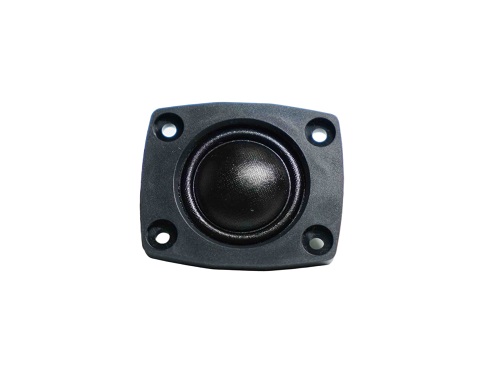
Although both types of tweeters are designed to reproduce high-frequency sounds, they use different structures and working principles, resulting in different performance characteristics. Understanding the differences between a Ribbon Tweeter vs Dome Tweeter can help speaker designers and manufacturers choose the ideal high-frequency driver for their products.
A Ribbon Tweeter is a high-frequency speaker driver that uses an extremely thin conductive ribbon diaphragm placed inside a magnetic field. When an audio signal passes through the ribbon, it moves directly to generate sound waves.
Because the diaphragm of a ribbon tweeter is lightweight and highly responsive, it can react quickly to changes in the audio signal. This design provides excellent transient response, detailed high-frequency reproduction, and low distortion.
Many high-end audio manufacturers choose ribbon tweeters for premium speakers because they can deliver a natural and precise listening experience, especially for vocals, acoustic instruments, and complex musical details.
A Dome Tweeter is one of the most common types of high-frequency drivers used in modern speakers. It typically features a dome-shaped diaphragm made from materials such as silk, fabric, aluminum, titanium, or other composite materials.
The dome structure allows the diaphragm to move efficiently while maintaining good rigidity and stability. Due to its balanced performance, reliable durability, and cost-effective manufacturing process, dome tweeters are widely used in home audio systems, car speakers, studio monitors, and commercial speaker applications.
One of the biggest differences between a ribbon tweeter and a dome tweeter is their high-frequency response.
A ribbon tweeter usually provides faster response speed because of its extremely lightweight diaphragm. It can reproduce subtle musical details, micro dynamics, and high-frequency information with excellent accuracy.
A dome tweeter offers a smoother and more balanced sound signature. It provides consistent performance across different applications and is often preferred when manufacturers need a reliable and versatile speaker solution.
Sensitivity is an important factor when choosing a speaker tweeter. Ribbon tweeters generally have excellent sensitivity in the high-frequency range because the diaphragm directly interacts with the magnetic field.
Dome tweeters also provide efficient sound output and can be designed for different power requirements. Their stable performance makes them suitable for mass production speaker systems.
Dispersion affects how sound spreads throughout a listening area.
Ribbon tweeters typically have a controlled dispersion pattern, which can create a precise and focused sound image. This makes them popular in high-end audio systems and professional monitoring equipment.
Dome tweeters usually provide wider sound dispersion, allowing listeners to enjoy consistent sound quality from different positions. This advantage makes them suitable for home audio and commercial speaker applications.
For speaker manufacturers, production cost and manufacturing complexity are important considerations.
Ribbon tweeters require precise manufacturing processes because the ribbon diaphragm is extremely thin and sensitive. Quality control during production is essential to maintain consistent performance.
Dome tweeters generally have a more mature manufacturing process, making them easier to integrate into large-scale speaker production. They provide a good balance between performance, reliability, and cost.
The best tweeter choice depends on the speaker design goals, target market, and application requirements.
You need extremely detailed high-frequency reproduction
The product targets premium Hi-Fi or audiophile markets
Accurate sound imaging is a priority
The speaker is designed for professional studio monitoring
You want to create a high-end audio product differentiation
You need reliable performance for large-scale production
The speaker requires balanced sound output
Cost efficiency is an important factor
The product is designed for home audio, automotive, or commercial applications
You need a durable and widely compatible tweeter solution
Both ribbon tweeters and dome tweeters have their own advantages in different industries.
High-end Hi-Fi speakers
Professional studio monitors
Premium home theater systems
Custom audio equipment
High-performance speaker projects
Home audio speakers
Car audio systems
Commercial sound systems
OEM speaker production
For speaker brands and audio equipment manufacturers, choosing the right tweeter supplier is just as important as selecting the right tweeter type.
A professional Ribbon Tweeter Manufacturer can provide customized solutions based on speaker design requirements, including diaphragm materials, impedance options, sensitivity optimization, and OEM production support.
Experienced manufacturers can also help improve product consistency through strict quality control, advanced testing equipment, and professional engineering support.
Neither technology is universally better. Ribbon tweeters are often preferred for detailed and high-resolution sound reproduction, while dome tweeters offer balanced performance, durability, and cost advantages.
For professional studio monitors and high-end audio systems, ribbon tweeters are often selected because of their fast response and detailed sound reproduction. However, many professional speakers also use advanced dome tweeters depending on the design requirements.
Yes. Many professional tweeter manufacturers provide OEM and custom solutions, including different impedance levels, mounting structures, frequency responses, and materials.
Copyright © 2026 Jiangxi ROXOUND Acoustic Technology Co. All rights reserved.


Privacy Policy Cookie Policy Terms and Conditions