






Choosing the best type of Woofer depends on your audio system, application requirements, sound preferences, and installation environment. Different woofers are designed to reproduce low-frequency sounds with varying levels of Bass extension, power handling, and efficiency. For audio equipment manufacturers, Speaker brands, and wholesale buyers, understanding these differences helps ensure the right component selection.
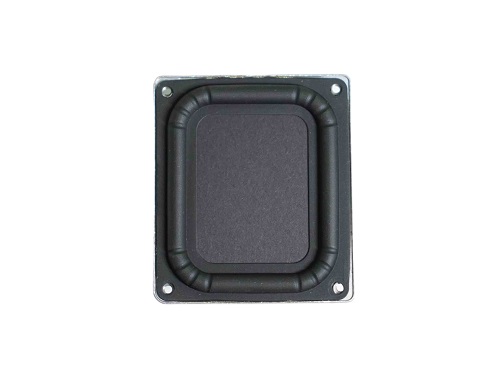
1. What Are the Main Types of Woofers?
Woofers can be classified by their design, frequency range, enclosure requirements, and intended application. The following types are commonly used in audio systems.
Standard Woofer
A standard woofer reproduces low and lower-midrange frequencies in home audio systems, multimedia speakers, and professional sound equipment. It offers a balance between bass response, sound clarity, and overall performance, making it a versatile choice for many speaker designs.
Subwoofer
A subwoofer is designed specifically for very low-frequency sound reproduction. It delivers deep bass for home theater systems, car audio, concert sound reinforcement, and other applications that require stronger low-frequency output. Subwoofers generally work alongside other speakers rather than replacing them.
Midwoofer
A midwoofer covers both lower frequencies and part of the midrange. It is commonly used in two-way speaker systems, where one driver handles bass and lower-midrange sounds while a Tweeter reproduces high frequencies. This design can simplify speaker construction while maintaining a balanced sound output.
Passive Radiator Woofer System
A passive radiator is not a conventional powered woofer. Instead, it works with an active woofer to enhance low-frequency output in a suitable enclosure. This arrangement is useful in compact speakers where designers want improved bass response without using a traditional port.
2. Which Type of Woofer Is Best for Different Applications?
The best woofer depends on the intended application rather than a single universal specification.
Home audio speakers: Standard woofers or midwoofers are suitable for balanced sound reproduction across a broad listening range.
Home theater systems: Subwoofers are ideal for deep bass effects, while standard speakers handle vocals and other frequency ranges.
Car audio systems: Woofers and subwoofers can be selected according to available installation space, amplifier output, and desired bass performance.
Portable and multimedia speakers: Compact woofers or midwoofers are useful when size, power consumption, and sound balance are important.
Professional audio equipment: High-power woofers are often selected for their power handling, efficiency, durability, and ability to meet the requirements of demanding sound systems.
3. What Factors Should You Consider When Choosing a Woofer?
Frequency Response
Frequency response indicates the range of sound frequencies a woofer can reproduce. Buyers should compare the driver's usable frequency range with the requirements of the complete speaker system. A subwoofer is designed for deeper bass, while a standard woofer may provide a wider range of low and lower-midrange frequencies.
Power Handling
Power handling indicates how much electrical power a woofer can safely handle under specified test conditions. It is important to distinguish continuous or RMS power ratings from peak power ratings. The selected woofer should be compatible with the amplifier and the intended operating conditions.
Impedance and Sensitivity
Impedance, commonly rated at 4, 6, or 8 ohms, affects electrical compatibility with the amplifier. Sensitivity indicates how efficiently a driver converts input power into sound pressure. Both specifications should be considered when designing or sourcing a speaker system.
Size and Enclosure Design
Woofer size affects installation requirements and potential acoustic performance, but a larger driver is not automatically better. The enclosure volume, sealed or ported design, mounting space, and target frequency response all influence the final result.
Materials and Durability
Cone material, surround design, voice coil construction, and suspension components influence a woofer's performance and durability. Buyers should evaluate these features according to the intended application, production requirements, and expected operating environment.
4. Which Woofer Is Best for Your Business?
For speaker manufacturers, audio equipment brands, and wholesale distributors, the right woofer is one that meets the product's acoustic targets, electrical requirements, production budget, and quality standards. Before placing a bulk order, consider the following points:
Define the target application and required frequency response.
Confirm rated impedance, power handling, sensitivity, and driver dimensions.
Evaluate compatibility with the amplifier, crossover, and enclosure.
Request technical specifications and samples for testing when necessary.
Confirm production consistency, quality control procedures, and OEM customization options.
Working with an experienced woofer manufacturer can help buyers identify suitable driver configurations for different speaker products. Clear technical requirements also make it easier to evaluate samples and maintain consistent performance during mass production.
5. Frequently Asked Questions
Is a bigger woofer always better?
No. A larger woofer may move more air under suitable conditions, but the final bass performance also depends on driver design, enclosure volume, amplifier power, and installation. The best size is the one that meets the system's acoustic requirements.
What is the difference between a woofer and a subwoofer?
A woofer generally reproduces low and lower-midrange frequencies, while a subwoofer is designed to reproduce deeper bass frequencies. Their actual operating ranges depend on the specific driver and system configuration.
Can one woofer work in different speaker systems?
Sometimes. A woofer may be suitable for multiple applications if its electrical, mechanical, and acoustic specifications meet each system's requirements. Enclosure design and crossover settings must also be considered.
What should bulk buyers ask a woofer supplier?
Bulk buyers should confirm technical specifications, sample availability, minimum order quantity, lead time, quality control, and OEM or ODM capabilities. These details help determine whether the supplier can support long-term production needs.
The best type of woofer depends on the application, desired bass response, available installation space, and compatibility with the rest of the audio system. Standard woofers suit many general-purpose speakers, subwoofers deliver deeper bass, and midwoofers combine low-frequency and lower-midrange reproduction. By comparing technical specifications and testing the complete system, buyers can select a woofer that meets both performance and commercial requirements.