






An instrumental Speaker is a speaker designed to reproduce the sound of musical instruments with clear, balanced, and detailed audio output. It can be used in musical instrument amplification, live performances, rehearsal rooms, recording environments, and Professional Audio systems.
Unlike speakers designed mainly for general music playback, an instrumental speaker is often selected according to the characteristics of the instrument, amplifier, performance environment, and required sound response.
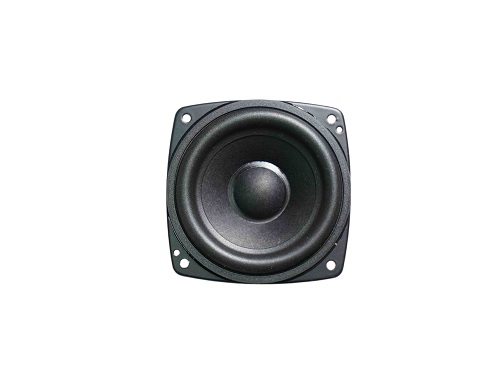
What Does an Instrumental Speaker Do?
The main function of an instrumental speaker is to convert the electrical audio signal from an amplifier or audio system into audible sound. It should reproduce the instrument's sound with suitable volume, frequency response, clarity, and dynamic performance.
Depending on the application, an instrumental speaker may be used with guitars, keyboards, electronic instruments, and other amplified musical equipment.
Common Applications of Instrumental Speakers
Instrumental speakers can be used in different audio environments, including:
Musical instrument amplifiers
Live performances
Rehearsal rooms
Recording studios
Stage monitoring systems
Professional audio equipment
Custom speaker systems
Key Features of an Instrumental Speaker
Clear Sound Reproduction
A suitable instrumental speaker should provide clear and well-defined sound reproduction, allowing the characteristics of the instrument to remain recognizable.
Suitable Frequency Response
Different musical instruments produce different frequency ranges. The speaker's frequency response should match the intended instrument and audio system.
Power Handling
Power handling determines how much electrical power the speaker can handle during operation. A suitable power rating helps maintain reliable performance when the speaker is used at higher output levels.
High Sensitivity
Speaker sensitivity indicates how efficiently a speaker converts electrical power into acoustic output. Higher sensitivity can help produce greater sound output with the same amplifier power.
Durable Construction
For stage and professional applications, speaker construction should be able to withstand frequent transportation, installation, and continuous operation.
Instrumental Speaker vs. General Audio Speaker
Both types of speakers reproduce audio signals, but their intended applications can be different. An instrumental speaker is generally selected according to the characteristics of a musical instrument and its amplifier, while a general audio speaker may be designed for broader music, voice, or multimedia playback.
The right choice depends on the instrument, amplifier, enclosure design, power requirements, frequency range, and intended application.
How to Choose an Instrumental Speaker?
When selecting an instrumental speaker, consider the instrument type, rated power, impedance, frequency response, sensitivity, speaker size, enclosure, and amplifier compatibility.
For professional or custom audio equipment, manufacturers can also provide speaker solutions based on specific electrical, acoustic, and mechanical requirements.
FAQ
What is an instrumental speaker?
An instrumental speaker is a speaker designed to reproduce the sound of musical instruments in applications such as instrument amplification, live performance, and professional audio systems.
What instruments can use instrumental speakers?
Instrumental speakers can be used in systems for guitars, keyboards, electronic instruments, and other amplified musical equipment, depending on the speaker specifications.
What specifications are important for an instrumental speaker?
Important specifications include power handling, impedance, frequency response, sensitivity, speaker size, and amplifier compatibility.
Can instrumental speakers be customized?
Yes. Custom speaker solutions can be developed according to specific acoustic, electrical, mechanical, and application requirements.