





In audio systems, different loudSpeaker drivers are responsible for reproducing different parts of the sound spectrum. A woofer is one of the most important components because it handles low-frequency and Bass sounds that contribute to the depth and fullness of audio.
But what exactly is a woofer, how does it work, and what should manufacturers consider when selecting one? This guide explains the woofer definition, its working principle, common types, applications, and important technical specifications.
1. What Is a Woofer? Definition and Meaning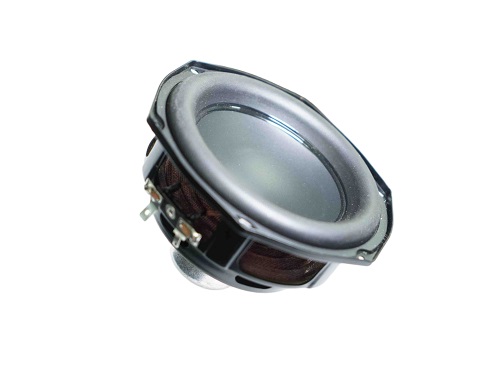
A woofer is a loudspeaker driver designed to reproduce low-frequency sound waves, particularly bass and mid-bass frequencies. The term comes from the low-pitched sound associated with the word "woof."
Unlike Tweeters, which reproduce high-frequency sounds, woofers are designed to move enough air to produce lower-pitched audio signals. They are commonly integrated into home audio systems, car speakers, professional sound equipment, and multimedia products.
A woofer's operating frequency range varies depending on its size, construction, and intended application. Some woofers cover only bass frequencies, while others extend into the lower midrange.
2. How Does a Woofer Work?
A woofer converts electrical audio signals into mechanical movement and then into sound waves. It uses electromagnetic force to move a diaphragm, usually called a cone, back and forth to create changes in air pressure.
The working process involves several key steps:
Audio Signal Input: An amplifier sends an alternating electrical audio signal to the woofer's voice coil.
Electromagnetic Interaction: Current flowing through the voice coil interacts with the magnetic field generated by the permanent magnet.
Cone Movement: The resulting force moves the voice coil and attached cone forward and backward.
Sound Wave Generation: The cone movement creates pressure variations in the surrounding air, producing audible sound.
The frequency and amplitude of the electrical signal determine the frequency and intensity of the reproduced sound, within the driver's operating limits.
3. Main Components of a Woofer Speaker
A woofer consists of several components that work together to achieve accurate and consistent sound reproduction.
Speaker Cone
The cone is the main moving diaphragm that pushes air to generate sound waves. It can be manufactured using paper, polypropylene, aluminum, composite materials, or other materials, depending on the required stiffness, mass, and acoustic characteristics.
Voice Coil
The voice coil is a coil of wire attached to the cone assembly. When electrical current passes through it, electromagnetic force interacts with the permanent magnet to drive cone movement.
Permanent Magnet
The magnet provides the magnetic field required for the voice coil to operate. Magnet materials and motor geometry influence the driver's magnetic strength, efficiency, and overall performance.
Surround
The surround connects the outer edge of the cone to the speaker frame. It allows the cone to move while helping maintain its alignment. Common surround materials include rubber, foam, and treated fabric.
Spider
The spider is a flexible suspension component located near the voice coil. It supports the moving assembly, maintains alignment, and provides restoring force when the cone moves.
Frame or Basket
The basket supports the woofer's internal components and maintains their relative positions. It is commonly manufactured from stamped steel, cast aluminum, or other structural materials.
4. Common Types of Woofers
Woofers can be classified according to their construction, size, and intended application. Different designs are developed to meet the performance requirements of specific audio systems.
Standard Woofer
Standard woofers reproduce bass and mid-bass frequencies in multi-way speaker systems. They are commonly found in home stereo speakers, bookshelf speakers, and general-purpose audio equipment.
Midwoofer
A midwoofer combines bass and lower-midrange reproduction in one driver. It is frequently used in compact two-way speaker systems where space and component count need to be optimized.
Subwoofer
A subwoofer is a specialized low-frequency driver designed to reproduce deeper bass. It generally features a design suited to greater cone excursion and is commonly used in home theater and dedicated bass systems.
Car Woofer
Car woofers are designed for automotive audio environments. Their construction and acoustic characteristics must account for installation space, vehicle interior acoustics, and the electrical requirements of the audio system.
5. Where Are Woofers Used?
Woofers are widely used in different audio products because they reproduce the bass frequencies that help create a fuller listening experience.
Home Audio Systems: Used in bookshelf speakers, floor-standing speakers, and stereo systems to reproduce bass and mid-bass sounds.
Car Audio Systems: Integrated into door speakers and other automotive speaker configurations to improve low-frequency reproduction.
Home Theater Systems: Used as part of multi-way speaker systems to reproduce the lower frequency range of movie soundtracks and music.
Professional Audio Equipment: Found in stage monitors, PA speakers, and professional sound reinforcement systems.
Multimedia Speakers: Used in desktop speakers, televisions, and other compact audio products to enhance sound depth.
6. Important Woofer Specifications Buyers Should Understand
For speaker manufacturers, audio equipment brands, and wholesale buyers, understanding woofer specifications is essential when evaluating driver performance and sourcing suitable products.
| Specification | Meaning | Why It Matters |
|---|---|---|
| Nominal Impedance | The rated electrical impedance of the driver | Helps ensure amplifier compatibility |
| Frequency Response | The range of frequencies the driver reproduces | Indicates its intended acoustic range |
| Sensitivity | Sound pressure output for a specified input | Helps evaluate acoustic efficiency |
| Power Handling | Electrical power capacity under specified test conditions | Helps match the driver with the amplifier |
| Resonance Frequency (Fs) | The driver's free-air resonance frequency | Helps assess low-frequency behavior |
| Linear Excursion (Xmax) | The approximate one-way linear movement capability of the cone | Helps estimate displacement capability |
| Thiele-Small Parameters | A group of electro-mechanical driver parameters | Supports enclosure and system design |
7. How to Select the Right Woofer for Your Application
Selecting a suitable woofer requires more than comparing speaker diameter or rated power. Buyers should evaluate the driver's acoustic performance, mechanical structure, and compatibility with the final audio system.
Define the Application
Determine whether the woofer will be used in a bookshelf speaker, car audio system, multimedia product, or professional speaker. Each application has different requirements for frequency response, sound pressure level, and installation dimensions.
Compare Acoustic Specifications
Check frequency response, sensitivity, impedance, power handling, and distortion characteristics. These specifications help determine whether the driver can meet the desired sound performance.
Consider Materials and Construction
Evaluate cone materials, voice coil design, magnet assembly, surround, and spider construction. These components influence the driver's durability, mechanical behavior, and acoustic characteristics.
Check OEM and ODM Customization Capabilities
For brands and wholesale buyers, working with a speaker manufacturer that offers OEM and ODM services can help meet specific requirements for driver dimensions, impedance, power ratings, materials, and acoustic performance.
8. Frequently Asked Questions About Woofers
What is the main purpose of a woofer?
The main purpose of a woofer is to reproduce low-frequency and bass sounds. It helps deliver the depth and fullness of music, movies, and other audio content.
What is the difference between a woofer and a tweeter?
A woofer reproduces low-frequency sounds, while a tweeter handles high-frequency sounds such as cymbals and other Treble details. They often work together in a multi-way speaker system to cover a wider frequency range.
Is a woofer the same as a subwoofer?
No. Although both reproduce low-frequency sounds, a woofer generally covers a broader bass and mid-bass range, while a subwoofer is specifically designed for deeper bass reproduction.
Does a bigger woofer produce better bass?
Not necessarily. A larger cone can offer greater effective radiating area, but bass performance also depends on excursion, motor design, enclosure configuration, and other acoustic parameters.
Can woofers be customized for OEM speaker projects?
Yes. Depending on the manufacturer's capabilities, woofers can be customized in terms of dimensions, impedance, power handling, cone materials, magnet assemblies, and other specifications to meet specific product requirements.
Conclusion
A woofer is an essential loudspeaker driver responsible for reproducing bass and low-frequency sounds. Its performance depends on the interaction between the cone, voice coil, magnetic motor, suspension system, and enclosure.
For audio brands, equipment manufacturers, and wholesale buyers, understanding woofer construction and technical specifications makes it easier to select suitable drivers for different products. Careful evaluation of acoustic requirements and manufacturing capabilities is key to developing reliable, high-performance speaker systems.