






If you want a more powerful and immersive audio experience, you may have heard the term subWoofer. But what are subwoofers, and why are they used in home theater systems, car audio systems, professional sound equipment, and other audio applications?
A subwoofer is a specialized loudSpeaker designed to reproduce the lowest frequencies in an audio system. These low-frequency sounds are commonly called Bass or sub-bass. Unlike regular speakers that need to reproduce a wide range of frequencies, a subwoofer focuses primarily on deep bass, helping listeners hear and feel the low-end impact of music, movies, and other audio content.
In this guide, we will explain what are subwoofers, how they work, the different types of subwoofers, their main benefits, and how to choose the right subwoofer for your audio system.
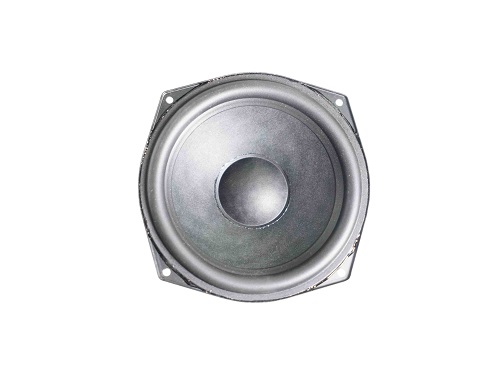
What Are Subwoofers?
A subwoofer is a loudspeaker specifically designed to reproduce very low-frequency audio signals. In general consumer audio applications, subwoofers commonly handle frequencies in the low bass and sub-bass region, often extending down toward approximately 20 Hz depending on the design.
The word "subwoofer" can be divided into two parts: "sub" refers to sub-bass, while "woofer" refers to a speaker driver designed to reproduce low frequencies. Therefore, a subwoofer is essentially a speaker optimized for the lowest part of the audible sound spectrum.
A dedicated subwoofer can reproduce low frequencies that smaller speakers may struggle to produce at sufficient volume and with low distortion. This is particularly useful when listening to music with strong bass, watching action movies, or building a professional sound system.
How Does a Subwoofer Work?
A subwoofer works according to the same basic principle as other loudspeakers. An electrical audio signal is sent to the speaker driver, causing the voice coil and cone to move back and forth. This movement pushes and pulls air, creating sound waves.
The main difference is that a subwoofer is specifically engineered to move a large amount of air at very low frequencies. Low-frequency sound waves are long, so producing powerful deep bass generally requires a driver with sufficient cone area and excursion.
This is why many subwoofers use relatively large drivers and carefully designed enclosures. The driver, enclosure, amplifier, and crossover work together to produce controlled and powerful bass.
The Role of the Driver
The driver is one of the most important components of a subwoofer. It converts electrical energy into mechanical movement and ultimately creates sound waves.
Subwoofer drivers are often designed with larger cones and longer excursion than conventional speaker drivers. This allows them to move more air and reproduce deep bass with greater output.
The Role of the Enclosure
The enclosure surrounding the driver also has a major effect on subwoofer performance. Common enclosure designs include sealed and ported configurations.
A sealed enclosure uses an enclosed air volume behind the driver. It can provide controlled bass response and relatively simple system integration.
A ported enclosure uses an opening or vent that is acoustically tuned to work with the driver and cabinet. This design can increase efficiency and extend low-frequency output within its operating range.
Why Do You Need a Subwoofer?
One of the main reasons to add a subwoofer is to improve the low-frequency performance of an audio system. Smaller speakers may reproduce bass, but they often cannot deliver the same depth, output, and physical impact as a dedicated subwoofer.
A subwoofer also allows the main speakers to focus more on midrange and high-frequency sounds. Properly integrated bass can therefore contribute to a more balanced and immersive overall listening experience.
1. Deeper Bass
The most obvious advantage of a subwoofer is deeper bass. It can reproduce low-frequency information from kick drums, bass guitars, synthesizers, orchestral instruments, sound effects, and movie soundtracks.
2. More Powerful Audio
A dedicated subwoofer can provide the physical impact associated with deep bass. This can make explosions, musical bass lines, and low-frequency sound effects feel more realistic and engaging.
3. Reduced Workload for Main Speakers
When low frequencies are redirected to a subwoofer through proper bass management and crossover settings, the main speakers do not have to handle as much low-frequency output.
This can allow smaller speakers to focus on the frequencies where they are designed to perform, potentially improving clarity and reducing distortion.
4. A More Immersive Listening Experience
Low-frequency sound contributes strongly to the sense of scale and physical impact in movies and music. A properly integrated subwoofer can make a home theater or music system feel fuller and more realistic.
What Are the Different Types of Subwoofers?
Subwoofers can be classified in several ways. One of the most common distinctions is between active and passive subwoofers.
Active Subwoofers
An active subwoofer, also called a powered subwoofer, has a built-in amplifier. Because the amplifier is integrated into the subwoofer cabinet, active models are convenient for many home audio and multimedia systems.
Many active subwoofers also include controls for volume, crossover frequency, phase, and other adjustments. These controls make it easier to integrate the subwoofer with the main speakers.
Passive Subwoofers
A passive subwoofer does not have a built-in amplifier. Instead, it requires an external amplifier to provide the necessary power.
Passive subwoofers are often used in customized audio systems, professional installations, and applications where the amplifier and speaker components are selected separately.
What Is a Subwoofer Crossover?
A crossover determines which frequencies are sent to the subwoofer and which frequencies are handled by the main speakers. A subwoofer generally uses a low-pass filter so that primarily low-frequency signals reach the subwoofer driver.
For example, a home theater receiver may divide the audio signal between the main speakers and the subwoofer. The subwoofer handles the lower frequencies while the main speakers reproduce the midrange and high frequencies.
Proper crossover adjustment is important because the subwoofer should blend naturally with the main speakers rather than sound disconnected from them.
Where Are Subwoofers Used?
Home Theater Systems
Subwoofers are widely used in home theater systems. Movie soundtracks contain low-frequency effects that can add impact to explosions, vehicles, storms, music, and other scenes.
Home Audio and Hi-Fi Systems
Music systems can also benefit from a subwoofer. Low-frequency instruments such as bass guitars, kick drums, pipe organs, and synthesizers can sound fuller when the system has adequate low-frequency reproduction.
Car Audio Systems
Subwoofers are commonly installed in car audio systems to increase bass output and improve the overall listening experience. Car subwoofers are available in different sizes and enclosure configurations depending on available installation space and performance requirements.
Professional Sound Systems
Concert venues, theaters, clubs, studios, and other professional audio environments may use powerful subwoofers to reproduce low frequencies for large audiences.
Subwoofer vs. Woofer: What Is the Difference?
A woofer is generally designed to reproduce low-frequency audio as part of a broader speaker system. A subwoofer focuses on an even lower portion of the frequency range.
In a typical multi-way speaker system, a Tweeter handles high frequencies, a midrange driver handles middle frequencies, and a woofer handles low frequencies. A dedicated subwoofer can take over the deepest bass frequencies below the range where the main speakers operate efficiently.
| Feature | Woofer | Subwoofer |
|---|---|---|
| Primary Role | Low-frequency reproduction | Very low bass and sub-bass reproduction |
| Typical Application | Main speakers | Dedicated bass reproduction |
| Bass Extension | Moderate to deep bass | Designed for deeper bass |
| System Function | Part of the main speaker | Dedicated low-frequency speaker |
How to Choose the Right Subwoofer
When selecting a subwoofer, there are several factors to consider. The best model depends on your audio system, room size, application, listening preferences, and available installation space.
1. Driver Size
Driver size affects the amount of air the subwoofer can move. Common consumer subwoofer sizes include 8-inch, 10-inch, 12-inch, and larger drivers. However, a larger driver does not automatically mean better performance. Driver design, enclosure, amplifier power, and system tuning are also important.
2. Power Output
For powered subwoofers, amplifier power is another important specification. The required power depends on the size of the listening area and the desired sound pressure level.
3. Enclosure Design
Consider whether a sealed or ported design better fits your application. Sealed subwoofers can offer controlled response, while ported designs can provide high output and extended bass within their intended operating range.
4. Frequency Response
Check the manufacturer's stated frequency response when comparing subwoofers. A model with an appropriate low-frequency extension can be especially important for home theater and music systems where deep bass is a priority.
5. Compatibility
Make sure the subwoofer is compatible with your receiver, amplifier, soundbar, or other audio equipment. Active subwoofers are often easier to integrate because they include their own amplification.
Frequently Asked Questions About Subwoofers
Are subwoofers necessary?
Not every audio system requires a subwoofer. However, adding one can significantly improve deep-bass reproduction, especially when the main speakers have limited low-frequency performance.
Can a subwoofer improve sound quality?
Yes. A properly integrated subwoofer can extend the low-frequency response of an audio system and reduce the workload on smaller main speakers. The result can be a fuller and more balanced sound.
Are bigger subwoofers always better?
No. Driver size is only one part of subwoofer performance. Enclosure design, amplifier power, driver quality, room acoustics, placement, and system integration are also important factors.
Can I use a subwoofer for music?
Yes. Subwoofers are not only for movies. They can reproduce the low-frequency content of bass guitars, kick drums, electronic music, orchestral instruments, and other musical recordings.
What is the difference between an active and passive subwoofer?
An active subwoofer has a built-in amplifier, while a passive subwoofer requires an external amplifier. Active subwoofers are generally easier to install, while passive models can provide greater flexibility in customized audio systems.
So, what are subwoofers? Simply put, subwoofers are specialized speakers designed to reproduce the lowest frequencies in an audio system. By moving a large amount of air at low frequencies, they add depth, impact, and physical presence to music and movie sound.
A well-designed subwoofer does more than simply make the bass louder. When correctly matched and integrated with the main speakers, it can extend the system's frequency response, reduce the workload of smaller speakers, and create a more complete and immersive listening experience.
Whether you are building a home theater, upgrading a car audio system, developing professional sound equipment, or improving a Hi-Fi setup, understanding how subwoofers work can help you select the right solution for your application.