






Choosing the right Woofer Speaker is important when building or upgrading an audio system that requires strong, controlled low-frequency reproduction. Different Woofer speakers are designed for different power levels, enclosure types, frequency ranges, and application environments. Selecting a suitable model requires more than simply comparing speaker size or rated power.
For audio equipment manufacturers, system integrators, and professional audio buyers, factors such as power handling, impedance, sensitivity, frequency response, cone material, and enclosure compatibility should be considered together. The right combination helps achieve the required Bass performance while maintaining system reliability and sound consistency.
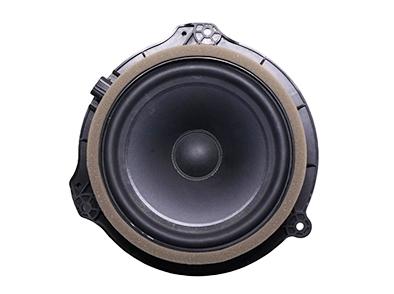
1. Consider the Intended Audio Application
The first step is to determine where the woofer speaker will be used. Home audio systems, professional sound equipment, car audio, multimedia speakers, and commercial sound systems can have very different requirements.
For compact audio equipment, a woofer with an appropriate size and moderate power handling may provide sufficient low-frequency output without taking up excessive installation space. Larger professional systems may require woofer speakers capable of handling higher power and producing stronger bass output over extended operating periods.
Before selecting a model, define the expected application, listening environment, required sound pressure level, available installation space, and operating conditions.
2. Choose the Appropriate Woofer Speaker Size
Woofer size has a direct relationship with low-frequency reproduction and system design. Larger woofers can generally move more air and are often used when higher bass output is required, while smaller woofers can be more suitable for compact systems.
However, a larger woofer speaker does not automatically mean better sound. The final performance also depends on the speaker's motor structure, cone design, suspension, enclosure, amplifier matching, and intended frequency range.
Therefore, size should be selected according to the complete audio system rather than considered as an isolated specification.
3. Check Power Handling
Power handling indicates how much electrical power a woofer speaker can handle under specified operating conditions. When matching a woofer with an amplifier, both continuous and peak power requirements should be considered.
An amplifier that is poorly matched to the woofer speaker may cause distortion or unnecessary stress on the speaker. At the same time, selecting a woofer only because it has a high power rating does not guarantee stronger or cleaner bass.
For OEM and professional audio projects, it is better to evaluate the woofer's power handling together with sensitivity, impedance, enclosure design, and the amplifier's output characteristics.
4. Match the Speaker Impedance
Impedance is another key parameter when integrating a woofer speaker into an audio system. Common impedance ratings vary according to the speaker design and application.
The woofer's impedance should be compatible with the amplifier or audio circuit. An appropriate impedance match allows the amplifier and speaker to operate within their intended electrical range and helps maintain stable system performance.
For customized audio products, buyers should confirm the required impedance before production, especially when the woofer is being integrated into an existing amplifier or multi-speaker system.
5. Compare Sensitivity and Frequency Response
Sensitivity indicates how efficiently a speaker converts electrical input into acoustic output under a specified measurement condition. A higher sensitivity can help achieve a desired output level with less amplifier power, although sensitivity should always be considered together with the complete system design.
Frequency response is equally important. A woofer speaker should cover the low-frequency range required by the application. If the system needs deep and powerful bass, the woofer should be evaluated for its low-frequency capability rather than simply choosing a model with a larger physical diameter.
6. Pay Attention to Cone and Suspension Design
The cone is one of the key components affecting woofer speaker performance. Different cone materials can provide different combinations of stiffness, weight, damping, durability, and sound characteristics.
The surround and suspension system also influence how the cone moves. A properly designed suspension helps maintain controlled cone movement while supporting consistent performance during high-excursion operation.
For buyers sourcing woofer speakers for different audio products, asking about cone construction, suspension design, and material options can help identify whether a speaker is suitable for the intended application.
7. Consider Enclosure Compatibility
A woofer speaker does not work independently from its enclosure. Sealed, ported, and other enclosure configurations can produce different acoustic characteristics even when the same woofer is used.
For this reason, the woofer's design parameters should be evaluated together with the enclosure volume, port configuration, and overall cabinet structure. A suitable match can improve bass extension, output, and control.
8. Evaluate Reliability for Long-Term Use
For commercial and professional audio equipment, reliability is just as important as acoustic performance. Buyers should consider the woofer speaker's construction quality, materials, thermal management, mechanical durability, and operating conditions.
If the speaker will be used continuously at relatively high output levels, the selected model should be able to handle the expected workload without excessive thermal or mechanical stress.
9. Work with a Woofer Speaker Manufacturer for Custom Requirements
Standard woofer speakers may not always meet the requirements of a specific audio product. OEM and ODM projects may require customized impedance, power handling, dimensions, materials, frequency characteristics, terminals, or other structural details.
Working directly with an experienced woofer speaker manufacturer can make it easier to evaluate these requirements and develop a speaker configuration suitable for the target product.
For bulk purchasing, buyers should also consider production capacity, quality control, sample approval procedures, customization capability, and consistency between samples and mass production.
Choosing the right woofer speaker requires a system-level approach. Instead of focusing on a single specification, evaluate the application, speaker size, power handling, impedance, sensitivity, frequency response, cone construction, enclosure compatibility, and long-term reliability together.
For audio manufacturers and professional buyers, a suitable woofer speaker should not only deliver the required bass performance but also integrate reliably with the amplifier, enclosure, and overall product design.
Looking for a woofer speaker for your audio project? Contact our team to discuss your required specifications, application, and OEM/ODM requirements.