





Tweeter Speakers are essential components in loudspeaker systems, responsible for reproducing high-frequency sounds such as vocals, cymbals, and other detailed audio signals. Different Tweeter designs use different diaphragm structures, drive mechanisms, and acoustic principles, resulting in different performance characteristics and application requirements.
For loudspeaker manufacturers, audio equipment brands, and OEM buyers, understanding the different types of tweeter speakers is important when developing new products or sourcing high-frequency drivers. The right choice depends on factors such as frequency response, sensitivity, directivity, impedance, installation space, and overall system design.
This guide introduces the main types of tweeter speakers, explains their structural characteristics, and highlights what buyers should consider when selecting a suitable solution for commercial loudspeaker production.
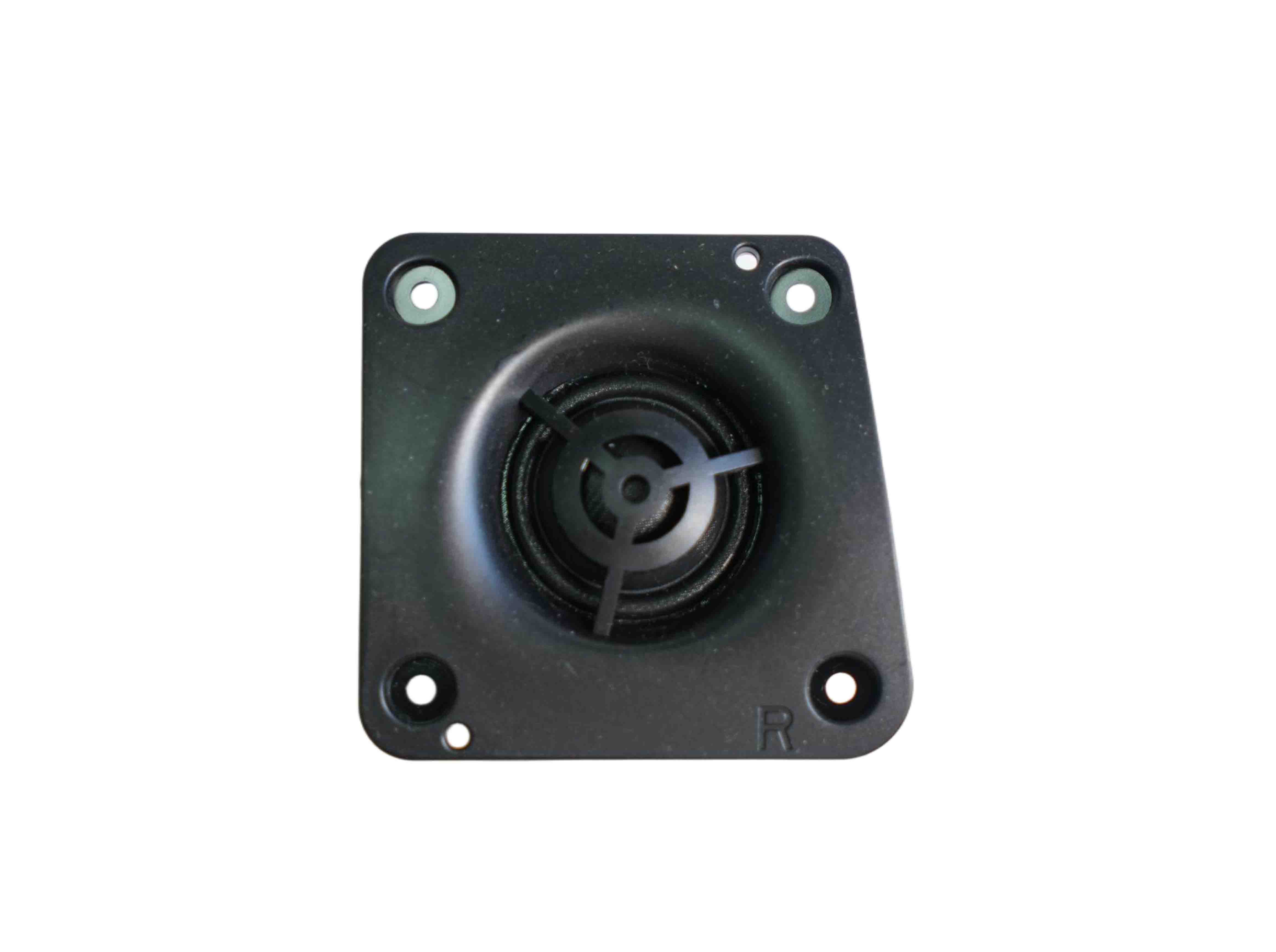
1. What Are the Different Types of Tweeter Speakers?
Tweeter speakers can be classified according to their diaphragm materials, structural designs, and operating principles. Common types include dome tweeters, ribbon tweeters, horn tweeters, planar magnetic tweeters, and cone tweeters.
Each design has its own characteristics, making it suitable for different loudspeaker configurations and audio applications.
2. Dome Tweeter
A dome tweeter is one of the most widely used high-frequency driver designs in modern loudspeaker systems. It features a dome-shaped diaphragm that vibrates in response to an electrical signal, generating high-frequency sound waves.
Dome tweeters are commonly manufactured using materials such as silk, fabric, aluminum, titanium, and other engineered materials.
Key Characteristics
Compact structure: Dome tweeters can be integrated into various speaker cabinet designs.
Material flexibility: Different diaphragm materials allow manufacturers to develop drivers with different acoustic characteristics.
Wide application range: They are commonly used in bookshelf speakers, floorstanding speakers, multimedia speakers, and home audio systems.
System integration: Their dimensions and performance specifications can be considered when designing two-way and multi-way loudspeaker systems.
For OEM buyers, important selection factors include diaphragm material, sensitivity, impedance, frequency response, mounting dimensions, and power handling requirements.
3. Ribbon Tweeter
A ribbon tweeter uses a thin conductive diaphragm suspended within a magnetic field. When an audio signal passes through the diaphragm, it interacts with the magnetic field and produces sound.
The lightweight diaphragm is a key design feature, making ribbon tweeters an option for loudspeaker systems that prioritize high-frequency detail and specific acoustic characteristics.
Key Characteristics
Lightweight diaphragm: The low moving mass is an important feature of ribbon-type designs.
High-frequency reproduction: Ribbon tweeters are commonly developed for applications requiring detailed high-frequency output.
Specialized construction: Diaphragm dimensions, magnetic structure, and assembly accuracy are important design considerations.
Application flexibility: They can be used in selected high-fidelity loudspeakers and professional audio products, depending on the design.
When sourcing ribbon tweeters, buyers should pay attention to frequency response, impedance, sensitivity, diaphragm construction, and manufacturing consistency. Prototype testing is recommended before approving a customized model for mass production.
4. Horn Tweeter
A horn tweeter uses a compression driver or other high-frequency driver coupled to a horn-shaped acoustic structure. The horn helps control sound radiation and can improve acoustic loading and sensitivity within its intended operating range.
Horn tweeters are commonly found in professional audio systems, PA speakers, stage sound equipment, and selected home theater loudspeakers.
Key Characteristics
Controlled directivity: Horn geometry influences the direction in which sound is distributed.
High sensitivity potential: Many horn-loaded designs are suitable for applications requiring high acoustic output.
Professional applications: Commonly used in public address and professional sound reinforcement systems.
Design considerations: Horn dimensions, throat geometry, driver compatibility, and crossover settings all influence system performance.
For professional audio manufacturers, horn tweeter selection should consider coverage angle, sensitivity, frequency range, driver compatibility, and installation requirements.
5. Planar Magnetic Tweeter
A planar magnetic tweeter uses a thin, relatively flat diaphragm with conductive elements arranged within a magnetic field. The interaction between the electrical signal and magnetic field causes the diaphragm to vibrate and produce sound.
Its structure differs from conventional dome designs and may provide specific acoustic characteristics depending on diaphragm construction and magnetic configuration.
Key Characteristics
Flat diaphragm structure: Uses a planar rather than dome-shaped radiating surface.
Distributed drive design: Conductive elements and magnetic arrangements are designed to drive the diaphragm.
High-frequency applications: Used in selected high-fidelity loudspeakers and specialized audio systems.
Design complexity: Diaphragm construction, magnetic distribution, and manufacturing precision are important.
Buyers should evaluate the actual measured response, sensitivity, impedance, physical dimensions, and system compatibility rather than assuming that all planar magnetic tweeters share the same performance.
6. Cone Tweeter
A cone tweeter uses a small cone-shaped diaphragm to reproduce high-frequency sound. It is a traditional driver structure that can be found in certain compact loudspeakers and cost-sensitive audio products.
Depending on the design, cone materials may include paper, treated paper, plastics, or other lightweight materials.
Key Characteristics
Simple construction: The basic cone structure is relatively straightforward.
Compact integration: Small cone tweeters can be incorporated into compact speaker assemblies.
Cost considerations: They may be suitable for products with specific manufacturing and cost requirements.
Application suitability: Performance depends on diaphragm geometry, material, motor design, and system integration.
When purchasing cone tweeters, manufacturers should confirm the required frequency response, sensitivity, impedance, dimensions, and compatibility with the complete speaker system.
7. How to Choose the Right Type of Tweeter Speaker
Selecting a suitable tweeter is not simply a matter of choosing a particular diaphragm structure. The driver must meet the acoustic, electrical, mechanical, and commercial requirements of the final loudspeaker.
Frequency Response
Check the intended operating range and the measured frequency response curve. The tweeter should integrate properly with the Woofer and crossover network to achieve the desired system response.
Sensitivity
Sensitivity indicates how efficiently a tweeter converts electrical input into acoustic output under specified measurement conditions. Matching sensitivity with other drivers can reduce the need for excessive level adjustment in the crossover network.
Impedance
Nominal impedance and actual impedance characteristics should be compatible with the amplifier and crossover design. Buyers should confirm the required impedance before placing an order.
Physical Dimensions and Installation
Mounting diameter, overall depth, terminal position, and cabinet space can affect product integration. OEM projects should confirm mechanical drawings before sample approval.
Manufacturing Consistency
For bulk purchasing, buyers should evaluate whether the supplier can maintain stable product specifications and inspection standards across production batches.
8. Applications of Different Tweeter Speaker Types
Different tweeter structures are used across a range of audio products. The actual choice depends on the acoustic objectives, product positioning, and system architecture.
Home audio speakers: Dome and ribbon tweeters are used in various bookshelf and floorstanding speaker designs.
Professional PA systems: Horn tweeters and compression drivers are common choices for sound reinforcement applications.
High-fidelity loudspeakers: Dome, ribbon, and planar magnetic designs may be selected according to the target acoustic performance.
Multimedia speakers: Compact dome and other small-format tweeters can be integrated into desktop and entertainment audio products.
Custom loudspeaker systems: Manufacturers select tweeter configurations according to enclosure dimensions, crossover requirements, and target performance.
9. What Should OEM Buyers Consider When Sourcing Tweeter Speakers?
For loudspeaker brands and audio equipment manufacturers, choosing the right supplier is as important as selecting the appropriate driver design. A reliable supplier should be able to support technical communication, sample evaluation, specification confirmation, and repeat production.
Before placing an order, consider the following points:
Product specifications: Confirm frequency response, sensitivity, impedance, power handling, and physical dimensions.
Customization capabilities: Discuss whether the supplier can accommodate specific structural, electrical, or acoustic requirements.
Sample evaluation: Request samples for testing within the intended loudspeaker configuration.
Quality control: Understand the supplier's inspection methods and batch consistency procedures.
Production capacity: Confirm MOQ, lead time, production planning, and repeat-order support.
Technical support: Evaluate the supplier's ability to communicate with your engineering and purchasing teams.
Working with an experienced tweeter speaker manufacturer can help reduce development uncertainty and support more efficient product sourcing.
Conclusion
Different types of tweeter speakers offer different structural designs and performance characteristics. Dome, ribbon, horn, planar magnetic, and cone tweeters each serve particular loudspeaker requirements. There is no universally suitable design for every application.
For OEM and bulk purchasing projects, the best approach is to evaluate the driver's measured specifications, system compatibility, installation requirements, and supplier manufacturing capabilities together. Clear technical communication and sample validation can help ensure that the selected tweeter meets the requirements of the final audio product.
Looking for a reliable tweeter speaker supplier for your next loudspeaker project? Contact our team to discuss product specifications, OEM/ODM customization, and bulk purchasing requirements.
Frequently Asked Questions
1. What are the main types of tweeter speakers?
The common types include dome tweeters, ribbon tweeters, horn tweeters, planar magnetic tweeters, and cone tweeters. Each uses a different diaphragm or acoustic structure and is suitable for different loudspeaker designs.
2. Which type of tweeter is commonly used in home speakers?
Dome tweeters are widely used in home audio speakers because of their compact structure and design flexibility. Ribbon and planar magnetic tweeters are also used in selected high-fidelity loudspeaker products.
3. What is the difference between a ribbon tweeter and a dome tweeter?
The main difference is their diaphragm structure and operating mechanism. Ribbon tweeters use a thin conductive diaphragm within a magnetic field, while dome tweeters use a dome-shaped diaphragm driven by a voice coil and magnetic motor system.
4. How do I choose a tweeter for an OEM speaker project?
Consider frequency response, sensitivity, impedance, power handling, mounting dimensions, crossover requirements, and the target application. Sample testing in the intended speaker system is recommended.
5. Can tweeter speakers be customized for bulk orders?
Yes, depending on the manufacturer's capabilities and product design. Customization may involve dimensions, mounting structures, electrical specifications, materials, or other project-specific requirements.