





A Tweeter Speaker is an important component in a loudspeaker system, designed to reproduce high-frequency audio signals. From home audio systems and professional sound equipment to multimedia speakers and custom loudspeaker products, Tweeters help reproduce the upper portion of the audio spectrum.
For loudspeaker manufacturers, audio brands, and B2B purchasing teams, understanding how tweeter speakers work and what specifications matter is essential when selecting drivers for new product development or bulk procurement.
This guide covers the basic working principles, main specifications, common designs, applications, and purchasing considerations of tweeter speakers to help buyers make informed sourcing decisions.
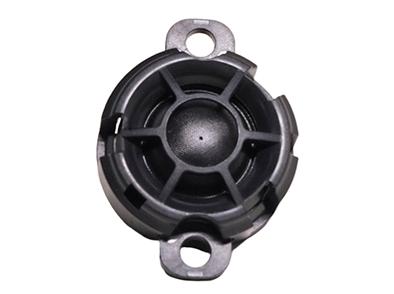
1. What Is a Tweeter Speaker?
A tweeter speaker is a high-frequency driver designed to reproduce the upper frequencies of an audio signal. It works alongside other loudspeaker drivers, such as Woofers and midrange speakers, to cover different portions of the audio spectrum.
While woofers generally handle low-frequency sounds and midrange drivers reproduce much of the middle frequency range, tweeters are responsible for high-frequency details. These include cymbals, certain vocal harmonics, and the upper-frequency components of musical instruments.
The operating range of a tweeter varies according to its design and application. There is no single frequency range that applies to every tweeter model, so buyers should always check the manufacturer's technical datasheet.
2. How Does a Tweeter Speaker Work?
Most conventional dynamic tweeters operate through electromagnetic principles. When an audio signal passes through the voice coil, it interacts with the magnetic field generated by the permanent magnet. This produces movement in the diaphragm, creating pressure waves that travel through the air as sound.
The main components of a conventional dynamic tweeter typically include:
Diaphragm: Moves to generate sound waves and is designed to reproduce high-frequency signals.
Voice coil: Converts electrical signals into mechanical movement through electromagnetic interaction.
Magnet assembly: Provides the magnetic field required for driver operation.
Suspension: Supports controlled diaphragm movement and helps maintain its position.
Frame and terminals: Provide structural support and electrical connections.
Other designs, such as ribbon and planar magnetic tweeters, use different diaphragm and drive structures. Their detailed operating principles depend on the specific construction.
3. What Frequency Range Does a Tweeter Speaker Cover?
A tweeter is generally designed to reproduce high-frequency sound, but its exact operating range depends on diaphragm material, driver dimensions, motor structure, and overall acoustic design.
Some tweeters are designed to operate from a few kilohertz into the upper audible range, while specialized models may have different operating limits. The usable range should be confirmed through the manufacturer's specifications and measured frequency response.
For loudspeaker engineers, it is important to consider not only the tweeter's maximum frequency but also its lower operating limit and the intended crossover frequency.
A suitable crossover point allows the tweeter to work within its designed operating range while integrating with the woofer or midrange driver. This helps create a balanced frequency response across the complete loudspeaker system.
4. What Are the Main Specifications of a Tweeter Speaker?
When evaluating a tweeter speaker for commercial loudspeaker production, buyers should review several technical parameters rather than relying on a single specification.
Frequency Response
Frequency response describes how the driver's acoustic output varies across different frequencies under specified measurement conditions. Buyers should review the response curve and determine whether it meets the requirements of the intended application.
Sensitivity
Tweeter sensitivity indicates the sound pressure level produced under a defined electrical input and measurement distance. Higher sensitivity can be useful in some loudspeaker designs, but it must be considered together with the woofer and other drivers.
Nominal Impedance
Impedance affects how the tweeter interacts with the amplifier and crossover network. Common nominal impedance ratings vary by product. The selected model should be compatible with the electrical design of the complete loudspeaker system.
Power Handling
Power handling indicates the specified electrical power a driver can withstand under defined test conditions. Buyers should confirm the rating, test method, and any recommended operating limitations with the manufacturer.
Resonant Frequency
The resonant frequency is an important mechanical characteristic of a driver. It can influence the lower operating region and should be considered when engineers establish crossover requirements.
Physical Dimensions
Mounting diameter, overall depth, frame structure, and terminal position affect installation compatibility. For OEM projects, dimensional drawings are particularly useful during enclosure and product development.
5. What Are the Different Types of Tweeter Speakers?
Tweeter speakers come in several designs, each with different construction methods and acoustic characteristics.
Dome Tweeter
Dome tweeters use a dome-shaped diaphragm and are widely incorporated into home audio, bookshelf, and floorstanding speaker systems. Their diaphragm materials may include silk, fabric, aluminum, titanium, and other engineered materials.
Ribbon Tweeter
Ribbon tweeters use a thin conductive diaphragm operating within a magnetic field. Their lightweight construction makes them a specialized option for high-frequency reproduction in selected high-fidelity loudspeaker systems.
Horn Tweeter
Horn tweeters use a horn-shaped acoustic structure coupled to a suitable driver. They are commonly used in professional sound reinforcement, PA systems, and other applications where acoustic output and directivity are important design considerations.
Planar Magnetic Tweeter
Planar magnetic tweeters use a flat diaphragm with conductive elements arranged within a magnetic field. They are found in selected high-fidelity loudspeaker designs.
Cone Tweeter
Cone tweeters use a small cone-shaped diaphragm and can be found in certain compact and cost-sensitive loudspeaker products.
The best choice depends on the required acoustic performance, system configuration, product dimensions, manufacturing requirements, and target cost.
6. Why Is a Tweeter Important in a Loudspeaker System?
A tweeter contributes to the reproduction of high-frequency information that helps complete the overall sound presentation. Without an appropriately designed high-frequency driver, a loudspeaker may not reproduce the intended upper-frequency content effectively.
In a multi-way loudspeaker, the tweeter works with the woofer and sometimes a dedicated midrange driver. The crossover network distributes the audio signal among these drivers according to the system design.
For manufacturers, proper driver integration is important because the performance of the complete loudspeaker depends on how the individual components work together.
7. Common Applications of Tweeter Speakers
Tweeter speakers are used across various audio products. Their design and specifications should be selected according to the target application.
Home audio speakers: Used in bookshelf speakers, floorstanding speakers, and home entertainment systems.
Professional audio equipment: Integrated into PA speakers, stage monitors, and sound reinforcement systems.
Studio monitors: Used in professional monitoring products where frequency response and system integration are important.
Multimedia speakers: Installed in desktop speakers, computer audio systems, and compact entertainment products.
Automotive audio: Used in selected car audio systems to reproduce high-frequency sound.
Custom loudspeaker products: Selected for specialized audio applications according to acoustic and mechanical requirements.
8. How to Choose the Right Tweeter Speaker for Your Product
Choosing the right tweeter requires a balance between acoustic performance, electrical compatibility, physical integration, and manufacturing requirements.
Define the Intended Application
Start by identifying the type of loudspeaker being developed, such as a bookshelf speaker, floorstanding speaker, professional PA system, or automotive audio product. Different applications have different performance and installation requirements.
Confirm Electrical Specifications
Check impedance, sensitivity, power handling, and compatibility with the amplifier and crossover network. These specifications should be evaluated as part of the complete speaker system.
Evaluate Acoustic Performance
Request frequency response curves and other relevant test data. If necessary, test the sample in the intended enclosure to evaluate actual system performance.
Check Installation Requirements
Confirm mounting dimensions, overall depth, frame design, and terminal configuration. These details can affect enclosure design and assembly efficiency.
Consider Supplier Capabilities
For OEM and bulk purchasing, evaluate the manufacturer's engineering support, production capacity, quality control procedures, customization capabilities, and delivery reliability.
9. What Should B2B Buyers Look for in a Tweeter Speaker Manufacturer?
Finding a suitable tweeter speaker supplier requires more than comparing catalog specifications. Buyers should evaluate whether the manufacturer can support the complete sourcing process, from technical communication to repeat production.
Key evaluation points include:
R&D capabilities: The ability to understand product requirements and provide technical recommendations.
Product range: Availability of different tweeter designs and specifications for different applications.
OEM/ODM services: Support for customized dimensions, structures, and performance requirements where technically feasible.
Quality management: Defined inspection procedures, product testing, and production consistency controls.
Manufacturing capacity: The ability to support the buyer's order volume and delivery schedule.
Communication and support: Efficient coordination during sample development, specification confirmation, and production.
Before confirming a bulk order, buyers should request technical datasheets, dimensional drawings, samples, and relevant test records. These materials help engineering and purchasing teams assess product suitability and reduce sourcing risks.
10. Custom Tweeter Speakers for OEM and ODM Projects
Standard tweeter models may not meet every loudspeaker project's requirements. For brands developing their own audio products, custom tweeter speakers can provide more flexibility in mechanical design, electrical specifications, and product integration.
Depending on the manufacturer's capabilities and the selected driver architecture, customization may involve:
Mounting dimensions and installation structures.
Diaphragm materials and design configurations.
Nominal impedance and electrical characteristics.
Target frequency response and sensitivity requirements.
Terminal positions and connection methods.
Product labeling and packaging requirements.
To improve development efficiency, OEM buyers should provide technical drawings, reference samples, target specifications, application details, and estimated order quantities at the beginning of the project.
The manufacturer can then review feasibility, recommend suitable configurations, and arrange prototype evaluation before mass production.
Conclusion
Tweeter speakers play an important role in high-frequency sound reproduction and overall loudspeaker performance. Understanding their operating principles, technical specifications, different structural designs, and application requirements helps manufacturers make more informed product development and purchasing decisions.
For B2B buyers, the right tweeter is not necessarily the one with the highest individual specification. It is the driver that meets the intended acoustic requirements, integrates properly with the complete loudspeaker system, and can be supplied consistently by a qualified manufacturer.
Looking for a tweeter speaker manufacturer for OEM or bulk purchasing? Get in touch with our team to discuss your product requirements, technical specifications, and customized loudspeaker solutions.
Frequently Asked Questions
1. What does a tweeter speaker do?
A tweeter reproduces high-frequency audio signals in a loudspeaker system. It works with woofers and other drivers to cover the intended audio frequency range.
2. What is the normal frequency range of a tweeter speaker?
The operating range varies according to the tweeter's design and specifications. Many conventional tweeters are designed to cover the upper portion of the audible frequency spectrum, but buyers should check the manufacturer's measured response and recommended operating range.
3. What is the difference between a tweeter and a woofer?
A tweeter is designed for high-frequency reproduction, while a woofer is designed for low-frequency reproduction. Both work together in multi-way loudspeaker systems to reproduce a broader audio spectrum.
4. What specifications are most important when purchasing tweeter speakers?
Important specifications include frequency response, sensitivity, nominal impedance, power handling, resonant frequency, and physical dimensions. The actual priorities depend on the intended loudspeaker application.
5. Can tweeter speakers be customized for OEM orders?
Yes, depending on the manufacturer's capabilities. OEM customization may include mechanical dimensions, diaphragm configurations, electrical specifications, connection structures, and packaging requirements.
6. How do I find a reliable tweeter speaker supplier?
Evaluate the supplier's product range, technical support, manufacturing capabilities, quality control procedures, sample testing process, production capacity, and experience with OEM or ODM projects.