





Choosing the right Woofer Speakers for home theater systems is essential for creating an immersive audio experience. Woofers reproduce low-frequency sounds that add depth, impact, and realism to movies, music, and other entertainment content. For home theater equipment manufacturers, audio system integrators, and wholesale buyers, selecting suitable woofer components requires careful consideration of several technical factors.
1. Determine the Appropriate Woofer Size
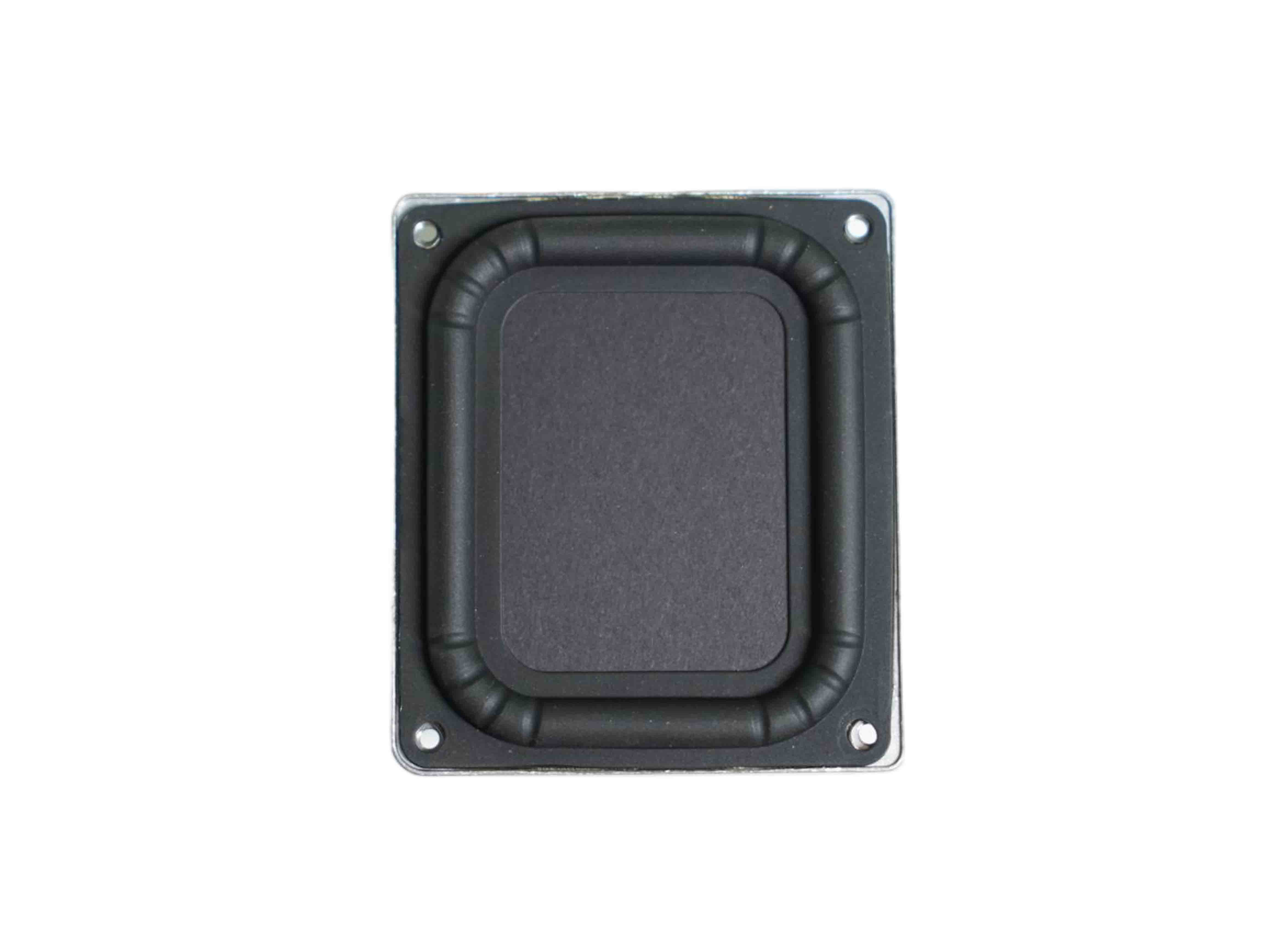
Woofer size directly affects low-frequency reproduction, speaker enclosure requirements, and overall system design. Common woofer sizes include 5.25-inch, 6.5-inch, 8-inch, 10-inch, and 12-inch models. Smaller woofers are suitable for compact bookshelf speakers and satellite systems, while larger woofers are often selected for floorstanding speakers and dedicated home theater subwoofer applications.
When selecting a woofer, buyers should consider the available cabinet space, target frequency range, desired sound pressure level, and intended listening environment. The right size should match the acoustic design rather than simply choosing the largest available driver.
2. Check Power Handling Capacity
Power handling indicates how much electrical power a woofer can handle under specified operating conditions. It is generally expressed in watts and may include RMS or continuous power ratings and peak power ratings.
For home theater systems, the woofer's continuous power handling should be compatible with the amplifier output. A properly matched combination helps maintain stable performance during demanding movie soundtracks and dynamic audio playback. Buyers should also review sensitivity and recommended amplifier power when comparing different woofer models.
3. Understand Frequency Response
Frequency response describes the range of frequencies a woofer can reproduce. A woofer designed for home theater applications should provide reliable low-frequency output while maintaining a smooth transition to the midrange driver or other components in the speaker system.
When evaluating frequency response, it is important to consider the intended crossover frequency, enclosure type, and complete speaker configuration. A wider frequency range does not automatically mean better performance. The overall system design and measured acoustic response are equally important.
4. Consider Impedance Compatibility
Impedance, measured in ohms, affects the electrical load presented to an amplifier. Common woofer impedance options include 4 ohms, 6 ohms, and 8 ohms. The correct impedance depends on the amplifier design and the way multiple drivers are connected within the speaker system.
For OEM projects and bulk purchasing, confirming impedance specifications early can help avoid compatibility issues during product development and mass production.
5. Evaluate Cone Materials and Construction
The woofer cone plays an important role in sound reproduction, durability, and overall driver characteristics. Different materials offer different combinations of stiffness, weight, damping, and manufacturing cost.
Paper cones: Lightweight and widely used in various audio applications.
Polypropylene cones: Offer moisture resistance and consistent material properties.
Aluminum cones: Provide high stiffness and are used in selected performance-oriented designs.
Composite cones: Combine different materials to achieve specific acoustic and mechanical characteristics.
Buyers should also evaluate the surround, voice coil, magnet assembly, and suspension system because these components work together to determine woofer performance.
6. Match the Woofer to the Enclosure Design
The speaker enclosure has a significant influence on low-frequency performance. Sealed enclosures generally offer controlled Bass response and a relatively simple cabinet structure. Ported enclosures use tuned openings to improve output around a specific frequency range.
Woofer parameters, including resonance frequency, equivalent compliance volume, and total Q factor, should be considered during enclosure development. Matching the driver to the cabinet helps achieve the intended acoustic performance.
7. Consider the Home Theater Application
Different home theater configurations require different woofer characteristics. Compact satellite speakers may prioritize size and integration, while floorstanding speakers often require greater output capability. Dedicated subwoofer systems are designed to reproduce deeper bass frequencies and handle low-frequency effects in movie soundtracks.
Before selecting a woofer, buyers should define the target speaker configuration, room size, audio performance requirements, and product positioning.
8. Work with an Experienced Woofer Speaker Manufacturer
For brands, distributors, and audio equipment manufacturers, supplier capabilities are just as important as individual product specifications. A professional woofer speaker manufacturer should provide consistent product quality, technical communication, customization support, and reliable production capacity.
Important evaluation points include:
Available woofer sizes and impedance options.
Material selection and component customization.
OEM and ODM product development capabilities.
Sample development and performance testing.
Quality inspection and production consistency.
Lead times and bulk order management.
Choosing the right woofer speakers for home theater systems involves more than comparing speaker size or power ratings. Woofer specifications, cone materials, enclosure compatibility, amplifier matching, and application requirements all influence the final result. By working with a qualified manufacturer, audio brands and wholesale buyers can develop woofer solutions that meet their technical requirements and market expectations.
Looking for a reliable woofer speaker supplier for your next project? Contact our team to discuss product specifications, OEM/ODM customization, and bulk purchasing requirements.