





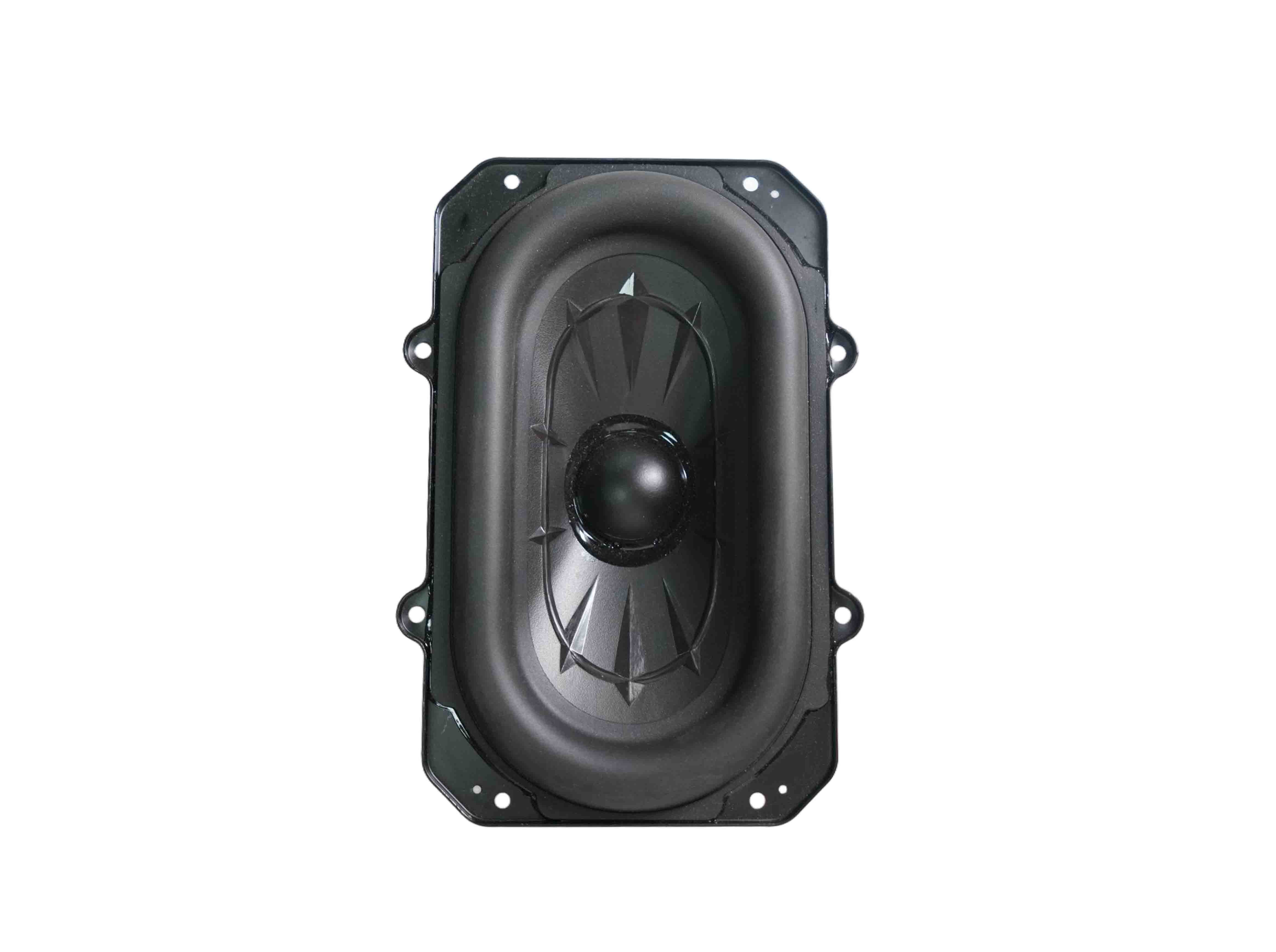
Finding the right Woofer Speaker manufacturer is an important decision for home theater brands, audio equipment companies, distributors, and wholesale buyers. The quality of Woofer components directly affects speaker performance, product reliability, and customer satisfaction. Beyond competitive pricing, buyers need a supplier that can meet technical specifications, maintain consistent production quality, and support long-term business cooperation.
Whether sourcing standard woofer drivers or developing customized Home Theater Speakers, evaluating manufacturers from multiple perspectives can help reduce purchasing risks.
1. Evaluate Manufacturing Experience and Industry Expertise
Manufacturing experience is an important starting point when selecting a woofer speaker supplier. Companies with relevant industry experience are generally more familiar with driver structures, material characteristics, production processes, and common technical challenges.
Buyers should review the manufacturer's product range and previous application experience. A supplier that understands home theater audio requirements may provide more effective recommendations on woofer dimensions, power handling, impedance, and enclosure compatibility.
It is also worth checking whether the manufacturer has experience working with international brands, distributors, and OEM customers.
2. Check Production Capabilities and Equipment
A reliable woofer speaker manufacturer should have production facilities and equipment suitable for the required product specifications and order volumes. Manufacturing capabilities influence production efficiency, product consistency, and delivery reliability.
Depending on the product structure, relevant manufacturing processes may include:
Voice coil winding and assembly.
Magnet system assembly and positioning.
Cone and surround processing.
Speaker frame assembly.
Adhesive application and curing.
Driver assembly and final inspection.
For wholesale buyers and long-term OEM partners, it is important to understand the manufacturer's actual production capacity, equipment configuration, workforce, and ability to handle repeat orders.
3. Examine Product Quality Control Procedures
Quality consistency is one of the most important considerations in bulk woofer speaker purchasing. Even small variations in component materials or assembly processes can influence electrical and acoustic performance.
When evaluating a supplier, buyers should ask about its quality inspection procedures, including:
Incoming material inspection: Checking the quality and specifications of cones, magnets, voice coils, frames, and other components.
Dimensional inspection: Verifying mounting dimensions and critical assembly measurements.
Electrical testing: Checking impedance, resistance, and other relevant electrical parameters.
Acoustic testing: Evaluating frequency response, sensitivity, and functional performance.
Final inspection: Checking appearance, assembly quality, and product functionality before shipment.
Buyers can also request quality inspection records, testing procedures, and relevant certifications where applicable.
4. Confirm OEM and ODM Customization Capabilities
Different home theater brands may have different requirements for speaker dimensions, acoustic performance, product appearance, and cabinet integration. A manufacturer with OEM and ODM capabilities can provide greater flexibility than a supplier offering only standard products.
Common customization requirements include:
Woofer diameter and mounting dimensions.
Cone and surround materials.
Voice coil and magnet configurations.
Rated impedance and power handling.
Frame design and installation structure.
Branding, labeling, and packaging.
For OEM projects, the supplier should be able to manufacture according to approved drawings and specifications. For ODM projects, engineering support and sample development capabilities are especially important.
5. Review Sample Development and Testing Support
Before placing a large order, buyers should request samples to verify whether the product meets their technical and application requirements. Sample evaluation helps identify potential issues before mass production begins.
For home theater woofer speakers, sample testing may include impedance measurement, frequency response analysis, power handling evaluation, distortion testing, and installation compatibility checks.
It is also important to establish a clear sample approval process. Once the sample is approved, the final specifications should be documented and used as the reference for mass production.
6. Compare Pricing, MOQ, and Production Lead Times
Competitive pricing matters, but the lowest quotation does not always represent the best purchasing decision. Buyers should compare quotations based on equivalent product specifications, materials, quality requirements, and order quantities.
Other important commercial factors include minimum order quantity (MOQ), sample costs, tooling charges, payment terms, production lead times, and shipping arrangements.
For wholesale woofer speakers, buyers should also evaluate whether the manufacturer can support increasing order volumes and maintain consistent quality across different production batches.
7. Assess Communication and After-Sales Support
Effective communication helps prevent misunderstandings during technical confirmation, sample development, and production. A professional supplier should respond clearly to questions about product specifications, manufacturing feasibility, quality requirements, and delivery schedules.
Buyers should also understand how the manufacturer handles quality complaints, product defects, replacement arrangements, and technical support. Clear communication and documented procedures contribute to more stable long-term cooperation.
8. Prepare a Supplier Evaluation Checklist
Before making a final decision, buyers can compare potential woofer speaker manufacturers using the following checklist:
Relevant experience in woofer and home theater speaker manufacturing.
Suitable production equipment and manufacturing capacity.
Documented quality control and testing procedures.
OEM and ODM customization capabilities.
Sample development and technical support.
Competitive pricing and reasonable MOQ.
Reliable delivery schedules and communication.
References, certifications, and business qualifications where applicable.
Selecting a reliable woofer speaker manufacturer requires a comprehensive evaluation of technical expertise, production capabilities, quality management, customization services, and commercial reliability. For home theater brands and wholesale buyers, the right supplier should not only deliver products that meet current specifications but also support future product development and long-term supply requirements.
Looking for a manufacturing partner for your home theater speaker projects? Contact us to discuss your sourcing requirements, product specifications, and OEM/ODM cooperation opportunities.