


News
CHECK IT NOW


2026-06-15 16:44:51
A Dome Tweeter is a type of loudSpeaker driver specifically designed to reproduce high-frequency sounds,typically ranging from 2,000 Hz to 20,000 Hz(20 kHz).It gets its name from its distinctive dome-shaped diaphragm,which vibrates rapidly to produce clear and detailed Treble frequencies.
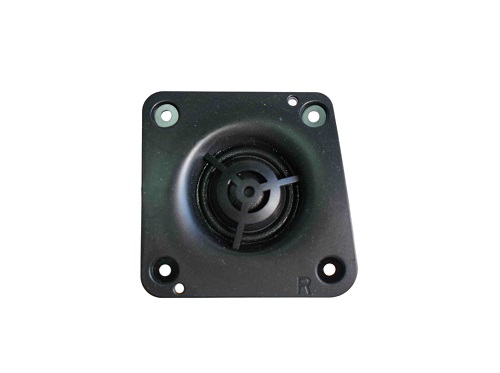
A dome tweeter operates on the same basic principle as most dynamic speakers:
An audio signal passes through a voice coil.
The voice coil interacts with a magnetic field generated by a permanent magnet.
The coil moves back and forth.
The attached dome diaphragm vibrates rapidly.
These vibrations create high-frequency sound waves.
The lightweight dome allows the driver to respond quickly to rapid changes in the audio signal,making it ideal for reproducing vocals,cymbals,strings,and other detailed sounds.
The vibrating surface that produces sound.
Converts electrical signals into mechanical movement.
Provides the magnetic field required for operation.
Keeps the dome centered while allowing movement.
Supports mounting and helps control sound dispersion.
Materials:
Silk
Textile fabric
Polyester
Advantages:
Smooth,warm sound
Less listening fatigue
Wide sound dispersion
Natural vocals
Disadvantages:
Slightly less detailed at extreme high frequencies
Common Applications:
Home Hi-Fi Speakers
Studio monitors
Premium bookshelf speakers
Materials:
Aluminum
Titanium
Beryllium
Magnesium
Advantages:
Higher sensitivity
Excellent detail and clarity
Extended high-frequency response
Disadvantages:
Can sound brighter or harsher if poorly designed
Common Applications:
High-end audio systems
Professional speakers
Car audio systems
Dome tweeters spread sound over a wider listening area than many other tweeter designs.This creates a larger"sweet spot"for listeners.
They reproduce:
Cymbals
Violin harmonics
Female vocals
Acoustic instruments
Ambient details
Most dome tweeters measure between 19 mm and 38 mm in diameter,making them easy to integrate into speaker systems.
They offer an excellent balance between sound quality and manufacturing cost.
| Feature | Dome Tweeter | Horn Tweeter |
|---|---|---|
| Sound Character | Smooth and natural | Dynamic and powerful |
| Dispersion | Wide | More directional |
| Efficiency | Moderate | High |
| Listening Distance | Short to medium | Medium to long |
| Common Use | Home audio | PA systems, concerts |
| Feature | Dome Tweeter | Ribbon Tweeter |
|---|---|---|
| Durability | High | Lower |
| Cost | Moderate | Higher |
| Dispersion | Wide | Very wide horizontally |
| Detail Level | Excellent | Exceptional |
| Power Handling | Better | Usually lower |
Bookshelf speakers
Floor-standing speakers
Home theater systems
Component speaker systems
Premium automotive sound systems
Studio monitors
Recording equipment
Conference room speakers
High-end multimedia systems
When choosing a dome tweeter,look at:
Frequency Response:2 kHz–20 kHz or higher
Sensitivity:88–95 dB is common
Power Handling:RMS and peak ratings
Impedance:Usually 4Ωor 8Ω
Dome Material:Silk,aluminum,titanium,beryllium,etc.
Crossover Frequency:Matching with midrange or woofer drivers
Generally,yes.Dome tweeters usually offer better high-frequency extension,wider dispersion,and more accurate sound reproduction.
Silk dome:smoother and warmer sound.
The best choice depends on listener preference and application.
They provide an excellent combination of:
Wide sound coverage
Natural treble reproduction
Compact size
Reliability
Affordable manufacturing cost
Copyright © 2026 Jiangxi ROXOUND Acoustic Technology Co. All rights reserved.


Privacy Policy Cookie Policy Terms and Conditions