






Choosing the right woofer can make a noticeable difference in the performance of an audio system. Whether you are developing a home audio Speaker, upgrading a car audio system, building professional equipment, or sourcing drivers for a new product, the right woofer needs to match the overall system rather than simply being the largest or most powerful option.
But with so many sizes, materials, impedance options, and performance specifications available, how to choose a sound woofer that actually fits your application?
This guide explains the main factors to consider when selecting a woofer speaker, from frequency response and power handling to sensitivity, impedance, enclosure design, and application requirements.
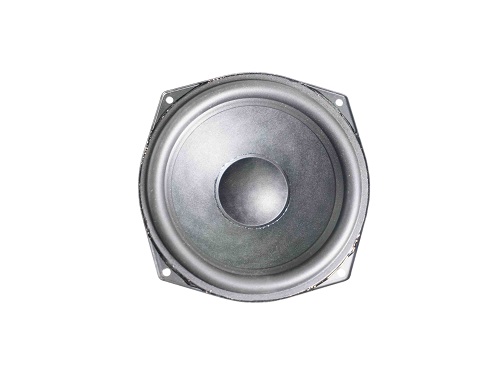
What Should You Consider When Choosing a Sound Woofer?
A woofer is designed primarily to reproduce low-frequency sound. However, not every woofer is designed for the same purpose. A driver intended for a compact bookshelf speaker may have very different characteristics from one designed for a professional PA system.
Before choosing a woofer driver, it is helpful to consider the following factors:
Woofer size
Frequency response
Power handling
Impedance
Sensitivity
Cone material
Voice coil and motor structure
Enclosure design
Intended application
Looking at these specifications together will give you a much better idea of whether a woofer is suitable for your audio project.
1. Choose the Right Woofer Size
Woofer size is one of the first specifications people usually look at. Common sizes include 4-inch, 5-inch, 6.5-inch, 8-inch, 10-inch, 12-inch, and larger drivers.
A larger woofer can generally move more air and may be suitable for applications requiring stronger low-frequency output. However, bigger does not automatically mean better.
A compact speaker may require a smaller driver because of limited cabinet space. On the other hand, professional audio equipment may benefit from a larger Bass speaker when higher output and greater low-frequency energy are required.
When selecting the size, consider both the desired acoustic performance and the available installation space.
2. Check the Frequency Response
Frequency response indicates the range of frequencies a woofer can reproduce under specified measurement conditions. This is an important specification because different audio systems require different frequency ranges.
If the woofer is used in a two-way speaker, it needs to work smoothly with the Tweeter through the selected crossover range. In a three-way system, the woofer may focus more heavily on the lower frequencies while a dedicated midrange driver handles the middle portion of the audio spectrum.
Rather than choosing a woofer based on one frequency number, look at the overall frequency-response curve and consider how it fits into the complete speaker design.
3. Consider Power Handling
Power handling is another important consideration when choosing a sound woofer. It describes how much electrical power the driver can handle under specified test conditions.
However, a higher power rating does not necessarily mean that the woofer will sound better. The amplifier, enclosure, crossover, cooling conditions, and intended operating level all influence actual performance.
For example, using a woofer with inadequate power handling in a high-output application may increase the risk of overheating or mechanical damage. At the same time, choosing an unnecessarily high-power driver for a small low-power system may not provide meaningful benefits.
The goal is to match the woofer's power capabilities with the amplifier and application.
4. Check the Woofer Impedance
Impedance is an important electrical specification when matching a woofer with an amplifier. Common speaker impedance ratings include 4 ohms, 6 ohms, and 8 ohms, although other configurations are also available.
The amplifier must be capable of operating safely with the selected impedance. If the woofer and amplifier are poorly matched, the system may not achieve the expected output and could experience excessive electrical stress.
For OEM projects and custom audio equipment, impedance should therefore be considered during the early stages of system design rather than after the driver has already been selected.
5. Look at Sensitivity
Sensitivity indicates how efficiently a loudspeaker driver converts electrical input into acoustic output under a specified measurement method.
A higher-sensitivity woofer can generally produce a given sound pressure level with less amplifier power than a lower-sensitivity design, assuming comparable measurement conditions.
This can be especially useful in systems where amplifier power is limited or where efficient operation is an important design requirement.
However, sensitivity should not be evaluated by itself. A woofer with excellent sensitivity may not be suitable if its frequency response, power handling, physical dimensions, or enclosure requirements do not match the project.
6. Pay Attention to Cone Material
The cone or diaphragm is one of the most important physical parts of a woofer. Different materials can influence stiffness, weight, damping characteristics, durability, and overall acoustic behavior.
Depending on the application, woofer cones may be made from materials such as treated paper, polypropylene, composite materials, or other engineered materials.
There is no single cone material that is ideal for every application. A home audio speaker, automotive speaker, professional monitor, and outdoor sound system can have very different requirements.
When choosing a woofer speaker, it is better to consider the cone material together with the motor structure, suspension, enclosure, and intended frequency range.
7. Evaluate the Voice Coil and Motor Structure
The voice coil and magnetic motor are responsible for converting the electrical signal into mechanical movement.
A well-designed motor system can provide controlled diaphragm movement, appropriate excursion, and consistent performance. The voice coil also needs to be suitable for the intended power level and operating conditions.
For applications that require continuous or high-output operation, thermal management and mechanical reliability become particularly important.
If you are purchasing woofers for an OEM project, asking the manufacturer about motor construction, voice coil specifications, thermal performance, and available customization options can help you make a more informed decision.
8. Match the Woofer to the Enclosure
A woofer does not operate independently from its cabinet. The enclosure can have a significant influence on the final acoustic performance.
Sealed, ported, and other enclosure configurations can produce different low-frequency characteristics. The woofer's design parameters need to be compatible with the selected cabinet and its internal volume.
This is why simply replacing one woofer with another driver of the same physical size may not produce the expected result.
Before purchasing a bass speaker, check whether its recommended enclosure design and parameters are suitable for your project.
9. Consider the Application
The best woofer depends heavily on where it will be used.
Home Audio
For bookshelf speakers and home audio systems, a woofer should provide smooth bass reproduction while fitting the cabinet and integrating properly with the Tweeter.
Car Audio
Automotive applications have specific space, power, environmental, and enclosure requirements. A suitable woofer should be selected according to the available installation space and the vehicle's audio system.
Professional Audio
Professional speakers and PA systems often require high output, reliable power handling, and durable construction. The woofer must be able to perform consistently under demanding operating conditions.
Home Theater
Home theater systems benefit from strong and controlled low-frequency reproduction. Depending on the system configuration, woofers may work together with dedicated subwoofers to provide a wider low-frequency experience.
OEM and Custom Audio Equipment
For manufacturers developing their own audio products, the requirements can be more specific. Physical dimensions, electrical parameters, acoustic targets, materials, appearance, and production consistency may all need to be considered.
In these situations, working with an experienced woofer manufacturer can make it easier to select or customize a driver according to the actual product requirements.
Woofer Selection Checklist
If you are comparing several woofer models, the following checklist can make the selection process easier:
Confirm the required woofer diameter and installation dimensions.
Check the frequency response and crossover requirements.
Match the impedance with the amplifier.
Compare sensitivity according to the same measurement conditions.
Check RMS and other relevant power-handling specifications.
Consider cone and suspension materials.
Evaluate the voice coil and magnetic motor structure.
Make sure the driver is suitable for the planned enclosure.
Consider the environment where the speaker will operate.
For OEM projects, discuss customization and production requirements with the supplier.
Common Mistakes When Choosing a Woofer
Choosing Only by Size
A larger woofer may offer greater air movement, but size alone does not determine sound quality or suitability. A properly matched smaller driver can outperform an oversized driver in the right enclosure and application.
Focusing Only on Power
High power handling is useful for demanding applications, but it should be considered alongside sensitivity, frequency response, enclosure requirements, and amplifier compatibility.
Ignoring the Crossover
A woofer must work smoothly with the other drivers in the speaker. An unsuitable crossover point can result in uneven frequency response or gaps between the woofer and tweeter.
Ignoring the Enclosure
The cabinet is part of the acoustic system. A woofer that performs well in one enclosure may not provide the same result in another.
FAQ About Choosing a Sound Woofer
What size woofer should I choose?
The appropriate size depends on the required bass output, cabinet dimensions, amplifier capability, and application. A larger woofer is not automatically the best choice.
Is a higher-power woofer better?
Not necessarily. Power handling is only one part of woofer performance. The driver should be matched with the amplifier, enclosure, sensitivity, frequency response, and intended application.
What is the best woofer for home audio?
There is no single best woofer for every home audio system. The right choice depends on speaker size, enclosure design, crossover configuration, listening preferences, and amplifier specifications.
How do I match a woofer with an amplifier?
Check the woofer's impedance and power-handling specifications and compare them with the amplifier's supported load and output. The complete system should be designed to operate within appropriate electrical and thermal limits.
Can I replace a woofer with another woofer of the same size?
Not always. Two woofers with the same diameter can have different impedance, sensitivity, frequency response, power handling, mounting dimensions, and enclosure requirements. These parameters should be checked before replacement.
Should I buy a standard woofer or a custom woofer?
A standard woofer may be suitable for common speaker designs, while a custom woofer can be useful when a project requires specific dimensions, acoustic performance, electrical characteristics, materials, or appearance.
Woofer size, frequency response, power handling, impedance, sensitivity, cone material, motor structure, enclosure design, and application all play a role in determining whether a driver is suitable. Taking the time to compare these factors can help you achieve better bass performance, improved system balance, and more reliable operation.
For OEM, custom, and professional audio projects, selecting the right woofer is also an important part of product development. Working with an experienced manufacturer can help you evaluate specifications and find a solution that fits your specific acoustic and production requirements.